How to unclog a drain without a plumber
Ultimate Guide: How to Unclog Drain DIY Home Remedy Tools That Actually Work
When faced with a stubborn clogged drain, you don’t need to call an expensive plumber immediately. Learning how to unclog drain DIY home remedy tools can save you hundreds of dollars and solve most drainage issues within minutes. As a home improvement expert with over 15 years of experience helping homeowners tackle plumbing challenges, I’ve discovered that 90% of drain blockages can be resolved using simple household items and basic tools you likely already own.
Clogged drains are among the most common household problems, affecting kitchen sinks, bathroom drains, shower drains, and floor drains. According to recent plumbing industry data, the average cost of hiring a professional plumber ranges from $150 to $400 per service call, not including parts and additional labor. However, with the right knowledge and tools, you can become your own drain-clearing expert using proven DIY methods that have helped millions of homeowners restore proper water flow.
This comprehensive guide will walk you through time-tested techniques, from basic home remedies using pantry staples to advanced methods requiring minimal investment in specialized tools. Whether you’re dealing with hair clogs, grease buildup, soap scum, or mystery blockages, these methods will help you restore your drains to optimal function quickly and affordably.
Table of Contents
- Understanding Common Drain Blockages
- Essential DIY Tools for Drain Unclogging
- Natural Home Remedy Solutions
- Advanced DIY Techniques and Tools
- Prevention Strategies and Maintenance
- Key Takeaways
- Frequently Asked Questions
- Conclusion
Understanding Common Drain Blockages
Identifying the Type of Clog
Before attempting any unclog drain DIY home remedy tools technique, it’s crucial to identify what’s causing your drainage problem. Different types of clogs require different approaches for maximum effectiveness. Hair clogs are the most common culprit in bathroom drains, particularly in showers and bathroom sinks where daily grooming activities occur. These clogs typically develop gradually, starting with slower drainage before progressing to complete blockages.
Grease and food particle clogs dominate kitchen sink problems, especially in homes where cooking grease gets poured down the drain. Grease solidifies as it cools, creating stubborn blockages that trap other debris. Soap scum and mineral buildup affect all types of drains over time, particularly in areas with hard water where calcium and magnesium deposits accumulate on pipe walls.
Foreign objects occasionally cause sudden, complete blockages. These might include jewelry, small toys, or excessive amounts of toilet paper in bathroom drains. Understanding your specific clog type allows you to choose the most effective removal strategy and avoid methods that might push the blockage deeper into your plumbing system.
Signs Your Drain Needs Attention
Recognizing early warning signs helps you address problems before they become major headaches requiring professional intervention. Slow drainage is typically the first indicator, where water takes noticeably longer to disappear down the drain. Gurgling sounds during drainage suggest air trapped behind a partial blockage. Unpleasant odors emanating from drains often indicate organic matter decomposing within the pipes.
Water backing up into sinks, tubs, or shower floors signals a significant blockage requiring immediate attention. Multiple drains backing up simultaneously suggests a main sewer line issue that may require professional assistance. However, single-drain problems are usually perfect candidates for DIY solutions using the methods outlined in this guide.
Essential DIY Tools for Drain Unclogging
Basic Household Items That Work Wonders
The most effective unclog drain DIY home remedy tools often come from your kitchen pantry and cleaning supplies. Baking soda serves as a gentle abrasive and odor eliminator, while white vinegar provides acidic action that dissolves mineral deposits and organic matter. When combined, these ingredients create a fizzing reaction that helps break apart clogs naturally.
Dish soap, particularly Dawn Ultra Dishwashing Liquid, excels at cutting through grease clogs due to its powerful degreasing properties. Hot water remains one of the simplest yet most effective tools, capable of dissolving soap scum and flushing away loose debris. The key is using water hot enough to be effective (near boiling) but not so hot that it damages PVC pipes.
Salt acts as an additional abrasive when combined with baking soda, helping scrub away stubborn buildup on pipe walls. Lemon juice provides natural acidic action while leaving drains smelling fresh. These common household items form the foundation of most successful DIY drain cleaning operations.
Specialized Drain Cleaning Tools
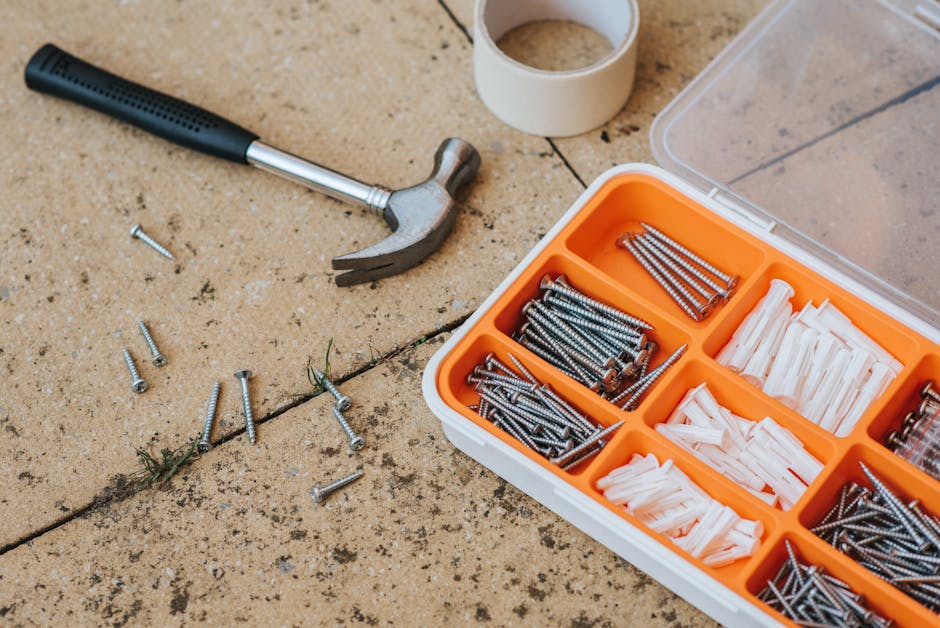
For more challenging clogs, several inexpensive specialized tools dramatically increase your success rate. The FlexiSnake Drain Weasel offers an excellent entry-level solution for hair clogs, featuring tiny hooks that grab and pull out tangled hair masses. This disposable tool costs under $10 and works exceptionally well in bathroom drains.
!!AMAZON_PRODUCT: FlexiSnake Drain Weasel | $8.99!!
A quality cup plunger specifically designed for sinks and drains provides powerful suction action that can dislodge many types of blockages. The Korky 95-4A Beehive Max Universal Toilet Plunger features a design that works effectively on both toilets and flat drain surfaces.
!!AMAZON_PRODUCT: Korky 95-4A Beehive Max Universal Toilet Plunger | $19.99!!
Drain augers or drain snakes represent the next level of DIY drain cleaning capability. The RIDGID 59787 Model K-3 Toilet Auger extends up to 25 feet, allowing you to reach deep clogs that other methods can’t touch.
!!AMAZON_PRODUCT: RIDGID 59787 Model K-3 Toilet Auger | $89.99!!
Safety Equipment and Preparation
Safety should always be your first priority when working with unclog drain DIY home remedy tools. Rubber gloves protect your hands from bacteria, chemicals, and sharp debris. Safety glasses prevent splashing liquids from reaching your eyes, especially when using vinegar solutions or commercial drain cleaners as backup options.
Old clothes or coveralls protect your regular clothing from splashes and stains. Keep paper towels and rags nearby for quick cleanup. Ensure adequate ventilation when working with any chemical solutions, even natural ones like vinegar, which can produce strong fumes in enclosed spaces.

Natural Home Remedy Solutions
The Classic Baking Soda and Vinegar Method
This time-tested approach remains one of the most effective unclog drain DIY home remedy tools techniques for moderate clogs. Start by removing any visible debris from the drain opening using gloved hands or tweezers. Pour one cup of baking soda directly into the drain, ensuring it reaches as far down as possible. Follow immediately with one cup of white vinegar.
The chemical reaction between these ingredients creates carbon dioxide bubbles that help break apart clogs and push debris through the system. Cover the drain opening with a drain plug or wet cloth to contain the reaction and direct its force downward. Allow the mixture to work for 15-30 minutes, depending on the severity of your clog.
After the waiting period, flush the drain with very hot water for several minutes. The combination of the chemical action and hot water flush successfully clears most organic clogs, including hair, soap scum, and minor grease buildups. For stubborn clogs, repeat the process 2-3 times, allowing longer reaction times between applications.
Hot Water and Dish Soap Technique
Particularly effective for grease clogs, this simple method uses unclog drain DIY home remedy tools you definitely have at home. Squirt a generous amount of liquid dish soap (approximately 1/4 cup) directly into the clogged drain. Dawn Ultra or Palmolive work exceptionally well due to their grease-cutting formulations.
Allow the soap to sit for 20-30 minutes, giving it time to penetrate and begin breaking down grease deposits. Meanwhile, heat a large pot of water to just below boiling point. Carefully pour the hot water down the drain in a steady stream, maintaining consistent pressure to help push dissolved grease through the pipes.
This method works particularly well for kitchen sink clogs caused by cooking oil, butter, or other fatty substances. The surfactants in dish soap break down grease molecules, while hot water helps flush the dissolved material through your plumbing system. For best results, run hot tap water for several minutes after the treatment to ensure complete clearing.
Salt and Baking Soda Abrasive Treatment
When dealing with mineral buildup or stubborn organic clogs, combining salt and baking soda creates an effective abrasive treatment. Mix 1/2 cup of table salt with 1/2 cup of baking soda in a small bowl. Pour this mixture directly into the clogged drain, using a funnel if necessary to ensure it reaches the blockage.
Allow the mixture to sit for several hours or overnight for maximum effectiveness. The salt provides abrasive action that helps scrub away buildup on pipe walls, while baking soda neutralizes odors and provides additional cleaning power. After the waiting period, flush with hot water for 5-10 minutes.
This method works exceptionally well for drains that haven’t been cleaned in months or years, where significant buildup has occurred. The abrasive action helps remove accumulated soap scum, hair, and mineral deposits that smoother treatments might not affect. Follow up with the vinegar treatment for enhanced results.
Advanced DIY Techniques and Tools
Manual Removal and Snake Techniques
When unclog drain DIY home remedy tools using household items don’t solve the problem, it’s time to employ more direct mechanical approaches. Manual removal should always be your first step with visible clogs. Remove the drain cover or stopper, and use needle-nose pliers or tweezers to extract hair, debris, or foreign objects you can see and reach.
The Vastar Drain Snake Hair Drain Clog Remover features a 25-inch flexible steel cable with a retrieval hook that can grab hair clogs deep within pipes. Insert the tool slowly, rotating clockwise as you push deeper. When you feel resistance, you’ve likely reached the clog. Rotate and push gently to penetrate the blockage, then pull back slowly to retrieve debris.
!!AMAZON_PRODUCT: Vastar Drain Snake Hair Drain Clog Remover | $12.99!!
For deeper clogs, a motorized drain auger provides professional-level clearing power. The RIDGID PowerSpin Plus features a 25-foot cable with interchangeable heads for different clog types, making it suitable for most residential drain problems.
!!AMAZON_PRODUCT: RIDGID PowerSpin Plus Drain Cleaner | $179.99!!
Pressure and Suction Methods
Plunging remains one of the most effective mechanical unclog drain DIY home remedy tools techniques when performed correctly. For sink drains, use a cup plunger rather than a toilet plunger. Cover the drain completely with the plunger cup, ensuring a good seal. Fill the sink with enough water to cover the plunger head, then perform quick, forceful plunges followed by rapid pulls.
The alternating pressure and suction often dislodges clogs that chemical treatments can’t reach. Maintain the seal throughout the plunging process, and perform 10-15 vigorous plunges before checking results. For double sinks, block the second drain with a wet cloth to prevent pressure loss.
Wet/dry vacuums can also provide effective suction for certain types of clogs. Set the vacuum to liquid mode and create a tight seal around the drain opening using the appropriate attachment. The powerful suction can pull out hair clogs and loose debris that other methods might push deeper into the system.
Enzyme-Based Natural Cleaners
For ongoing maintenance and organic clog prevention, enzyme-based cleaners offer an environmentally friendly alternative to harsh chemicals. These products contain beneficial bacteria that digest organic matter, hair, grease, and soap scum over time. Green Gobbler Enzyme Drain Cleaner provides monthly treatment that prevents future clogs while being safe for all pipe materials.
!!AMAZON_PRODUCT: Green Gobbler Enzyme Drain Cleaner | $24.99!!
Unlike chemical drain cleaners that can damage pipes and harm the environment, enzyme cleaners work slowly and safely. Pour the recommended amount into drains monthly, preferably before bedtime when water usage is minimal. The enzymes work overnight, breaking down organic buildup that leads to future clogs.
These products work exceptionally well as preventive maintenance but may take several applications to clear existing clogs. For immediate results, combine enzyme treatments with the mechanical and chemical methods described earlier in this guide.

Prevention Strategies and Maintenance
Daily Habits That Prevent Clogs
Implementing simple daily habits dramatically reduces the need for unclog drain DIY home remedy tools interventions. Hot water flushes after each use help prevent grease and soap scum from accumulating in pipes. Run hot tap water for 30-60 seconds after washing dishes, brushing teeth, or showering to keep debris moving through the system.
Drain screens represent one of the most effective preventive investments you can make. The OXO Good Grips Silicone Drain Protector catches hair, food particles, and debris while allowing water to flow freely. These inexpensive screens prevent most clogs from forming in the first place.
Proper disposal practices eliminate many potential clog sources. Never pour grease, coffee grounds, or food scraps down kitchen drains. Dispose of these materials in trash or compost bins instead. In bathrooms, remove hair from shower drains after each use, and avoid flushing anything other than toilet paper down toilets.
Weekly and Monthly Maintenance
Weekly hot water treatments using the methods described earlier help maintain clear drains before problems develop. Choose one day each week to flush all household drains with hot water and dish soap, rotating between different natural cleaning methods to address various types of buildup.
Monthly deep cleaning using baking soda and vinegar treatments keeps pipes in optimal condition. Schedule these treatments on the same day each month, treating all drains systematically. This proactive approach prevents major clogs and extends the life of your plumbing system.
Quarterly inspections help identify potential problems before they become emergencies. Remove drain covers and inspect visible portions of pipes for buildup, damage, or developing clogs. Address minor issues immediately using the unclog drain DIY home remedy tools techniques outlined in this guide.
When to Call a Professional
While DIY methods solve most drain problems, certain situations require professional intervention. Multiple drains backing up simultaneously suggests main sewer line issues beyond DIY capabilities. Sewage odors or water backing up into other fixtures indicate serious plumbing problems requiring immediate professional attention.
Recurring clogs that return within days or weeks of treatment may indicate deeper systemic issues such as pipe damage, root intrusion, or inadequate pipe slope. Chemical burns or pipe damage from previous harsh chemical treatments may require professional repair or replacement.
If you’ve tried multiple unclog drain DIY home remedy tools methods without success, it’s time to consult a licensed plumber. Professional equipment like high-pressure water jets and video inspection cameras can diagnose and resolve problems that DIY methods cannot reach.
Key Takeaways
- Start with simple solutions: Hot water, dish soap, and baking soda/vinegar combinations solve most common drain clogs without expensive tools or chemicals
- Identify your clog type: Hair, grease, soap scum, and foreign objects require different removal approaches for maximum effectiveness
- Invest in basic tools: A good plunger, drain snake, and enzyme cleaner handle most DIY drain cleaning challenges
- Prevention is cheaper than repair: Daily hot water flushes, drain screens, and proper disposal habits prevent most clogs from forming
- Know your limits: Multiple drain backups, sewage odors, and recurring clogs require professional plumber intervention
Frequently Asked Questions
Q1: What are the most effective natural ingredients for unclogging drains without calling a plumber?
A: The most effective natural unclog drain DIY home remedy tools ingredients are baking soda, white vinegar, dish soap, salt, and hot water. Baking soda and vinegar create a fizzing reaction that breaks apart organic clogs, while dish soap cuts through grease effectively. Hot water helps flush dissolved debris through pipes. These ingredients are safe for all pipe materials and environmentally friendly, making them ideal for regular maintenance and moderate clog removal.
Q2: How long should I wait before calling a professional plumber after trying DIY methods?
A: If multiple unclog drain DIY home remedy tools methods fail after 2-3 attempts over 24-48 hours, it’s time to consider professional help. However, call immediately if you notice sewage odors, water backing up into other fixtures, or multiple drains clogging simultaneously. These signs indicate serious plumbing issues beyond DIY capabilities. For single drain clogs without emergency symptoms, try natural methods, mechanical removal, and plunging before calling a plumber.
Q3: Can I use baking soda and vinegar in all types of pipes including PVC and metal?
A: Yes, baking soda and vinegar are safe for all pipe materials including PVC, copper, galvanized steel, and cast iron. These natural unclog drain DIY home remedy tools ingredients are non-corrosive and won’t damage pipes like harsh chemical cleaners can. The mild acidic reaction from vinegar and alkaline properties of baking soda are gentle enough for regular use while still being effective at dissolving organic clogs and mineral buildup.
Q4: What’s the difference between using a cup plunger versus other plunging methods for sink drains?
A: Cup plungers work best for sink drains because they create a better seal on flat surfaces compared to toilet plungers. When using unclog drain DIY home remedy tools like plungers, cover the drain completely and fill the sink with enough water to submerge the plunger head. This creates hydraulic pressure that’s more effective than air pressure alone. Perform quick, forceful plunges followed by rapid pulls, maintaining the seal throughout the process for maximum effectiveness.
Q5: How often should I perform preventive drain maintenance using these DIY methods?
A: For optimal results with unclog drain DIY home remedy tools, perform hot water flushes daily after each use, weekly treatments with dish soap and hot water, and monthly deep cleaning with baking soda and vinegar. High-use drains like kitchen sinks may need bi-weekly treatments, while guest bathroom drains might only need monthly attention. Enzyme treatments work well as quarterly maintenance. This schedule prevents major clogs and extends your plumbing system’s lifespan significantly.
Conclusion
Mastering unclog drain DIY home remedy tools techniques empowers you to handle most household drainage problems quickly, safely, and affordably. From simple baking soda and vinegar treatments to more advanced mechanical methods using specialized tools, these proven techniques can save you hundreds of dollars in plumbing costs while keeping your drains flowing smoothly year-round.
The key to successful DIY drain cleaning lies in understanding your specific clog type, starting with gentle methods, and progressing to more intensive treatments only when necessary. Regular preventive maintenance using these natural methods prevents most clogs from forming in the first place, making emergency interventions rare.
Remember that while these DIY methods solve the vast majority of drain problems, knowing when to call a professional protects your home’s plumbing system from serious damage. By combining the techniques outlined in this guide with good daily habits and regular maintenance, you’ll become your household’s drain-clearing expert.
Ready to tackle your clogged drain problem? Check out the recommended tools and products on Amazon to build your DIY drain cleaning toolkit and start saving money on plumbing repairs today.
★ Recommended Products on Amazon
As an Amazon Associate I earn from qualifying purchases.