How to clean and maintain power tools
How to Clean and Maintain Power Tools to Extend Life: Essential Guide
Learning how to clean and maintain power tools to extend life is one of the most valuable skills any DIY enthusiast or professional can develop. Your power tools are significant investments, and with proper care and regular maintenance, you can dramatically increase their lifespan while maintaining peak performance. Whether you’re a seasoned contractor or a weekend warrior tackling home projects, understanding the fundamentals of power tool care will save you money and frustration in the long run. This comprehensive guide will walk you through everything you need to know about keeping your tools in pristine condition.
Table of Contents
- Why Clean and Maintain Power Tools to Extend Life Matters
- Step-by-Step Guide to Clean and Maintain Power Tools to Extend Life
- Best Tools and Products for Cleaning and Maintenance
- Pro Tips for Extending Power Tool Lifespan
- Common Mistakes to Avoid
- Key Takeaways
- Frequently Asked Questions About Cleaning and Maintaining Power Tools to Extend Life
- Conclusion
Why Clean and Maintain Power Tools to Extend Life Matters
Power tools are the backbone of any workshop, whether you’re building furniture, renovating your home, or earning a living in construction. When you invest in quality power tools, you’re expecting them to perform reliably for years to come. However, many people overlook the importance of regular maintenance, leading to premature failure and costly replacements.
Dust, debris, and moisture are the primary enemies of power tools. These contaminants accumulate inside your tools during normal use, clogging air vents, coating motor components, and causing friction that wears down internal parts. Over time, this buildup reduces efficiency, increases heat generation, and can lead to complete tool failure. By implementing a consistent cleaning and maintenance routine, you can prevent these issues before they start.
Understanding how to clean and maintain power tools to extend life also helps you identify potential problems early. When you regularly inspect your tools, you’ll notice worn bearings, frayed cords, or loose components that might otherwise go undetected. Catching these issues early allows you to make minor repairs before they become major problems that render your tools unusable.
Beyond performance and longevity, maintaining your power tools ensures workplace safety. A well-maintained tool with secure components and clean electrical connections is less likely to malfunction unexpectedly, reducing the risk of accidents and injuries. Furthermore, proper maintenance preserves your tool’s resale value, which matters if you ever decide to upgrade to newer models or sell your equipment.
The financial benefits of regular maintenance cannot be overstated. A $200 drill that receives proper care might last 10-15 years, while a neglected one might fail within 2-3 years. When you break down the cost per year of operation, maintenance-conscious ownership is significantly more economical. Additionally, keeping your tools in good condition means fewer project delays due to equipment failure.

Step-by-Step Guide to Clean and Maintain Power Tools to Extend Life
Daily Cleaning Practices
After each use, spend a few minutes cleaning your power tools while the dust is still loose and easy to remove. Allow tools to cool completely before cleaning, and never use water on electric tools unless they’re specifically rated for wet use. Use a soft-bristled brush or compressed air to remove dust and debris from air vents, handles, and the chuck area.
For corded tools, wipe down the cord carefully with a dry cloth, checking for any damage or exposed wires. If you notice cuts or fraying, stop using the tool immediately and have the cord repaired or replaced by a professional. Inspect the plug for any signs of damage or corrosion, as these can create electrical hazards.
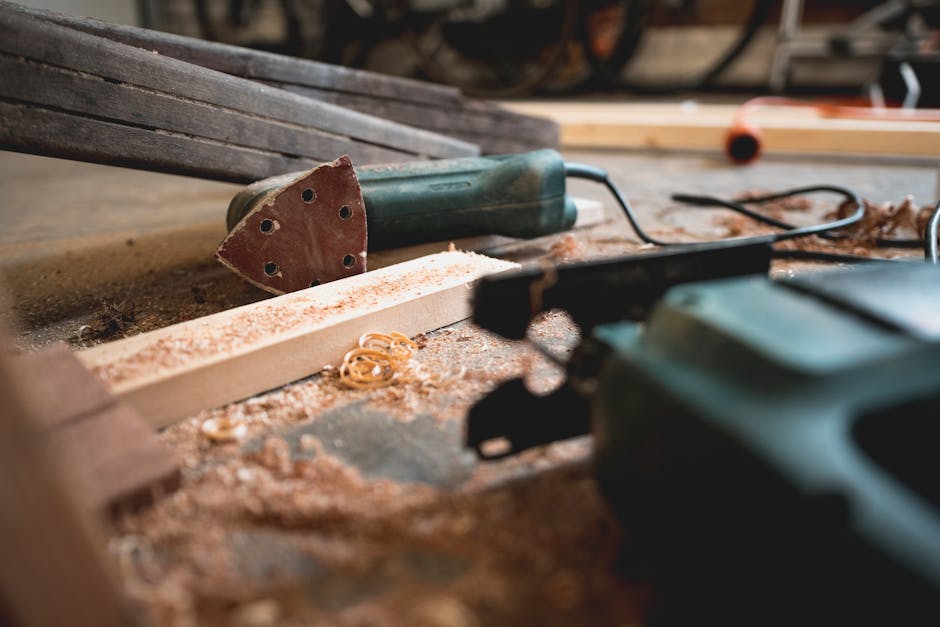
Pay special attention to the tool’s housing and handle. Wipe away any dust, sawdust, or moisture that may have accumulated during use. This simple practice prevents buildup that can affect the tool’s appearance and functionality over time.
Weekly Deep Cleaning
Once a week, perform a more thorough cleaning of frequently used tools. Create a cleaning station with soft brushes, compressed air, and clean cloths. Start by unplugging the tool and allowing it to sit for several minutes after use to ensure it’s completely cool.
Use compressed air to blow out internal dust from every accessible area. Hold the tool at an angle and use short bursts of air to dislodge stubborn particles. For hard-to-reach areas, use a small brush to gently loosen debris before applying compressed air.
Inspect the chuck or collet area carefully, as this is where significant debris accumulation occurs. Clean around the chuck with a small brush, and if your tool has a removable chuck, take it off and clean the mating surfaces. Wipe down all external surfaces with a slightly damp cloth to remove fine dust that dry cleaning might miss.
Monthly Maintenance Tasks
Set aside time each month for more detailed maintenance work. This is when you should check all moving parts for wear, lubricate where appropriate, and perform any necessary adjustments. Consult your tool’s manual for specific maintenance recommendations, as different tools have different requirements.
For drill presses and stationary tools, check the alignment of moving parts and verify that all adjustments still hold their set positions. Test safety features like emergency stops or blade guards to ensure they function properly. Listen for any unusual sounds or vibrations that might indicate developing problems.
Inspect power cords, extension cords, and batteries monthly. Look for visible damage, and test batteries to ensure they’re holding a full charge. If a battery no longer holds a charge for its specified time, it may be time for replacement.
Seasonal Deep Maintenance
Every three to six months, depending on tool usage, perform a comprehensive maintenance session. This is the time to replace air filters if your tools have them, check gear teeth for wear, and examine brushes in electric motors. Many power tools have brushes that wear down with use and need periodic replacement to maintain performance.
For tools with oil-lubricated bearings, check oil levels and top up with the recommended grade if necessary. Never use inappropriate lubricants, as they can damage seals and internal components. Consult your manual to identify which parts require lubrication and what type of lubricant to use.
During seasonal maintenance, also review all fasteners and bolts to ensure they remain tight. Vibration during use can gradually loosen hardware, so periodic tightening prevents parts from coming loose. If you find stripped threads or damaged fasteners, replace them immediately to prevent part failure.

Best Tools and Products for Cleaning and Maintenance
Essential Cleaning Supplies
Investing in the right cleaning and maintenance supplies makes the job easier and more effective. A quality compressed air system is perhaps the most important tool, as it quickly removes dust and debris from otherwise inaccessible areas. Cordless compressed air options offer convenience and portability compared to traditional compressors.
Soft-bristled brushes in various sizes allow you to clean intricate areas without scratching delicate surfaces. Choose brushes with natural bristles, as they’re gentler than synthetic alternatives. A set of brushes designed specifically for power tool maintenance typically includes sizes for different applications, from large vents to small crevices.
Microfiber cloths are superior to paper towels for power tool cleaning because they don’t shed fibers and are reusable, making them more economical over time. Keep several cloths handy for different cleaning tasks, and wash them regularly to maintain their effectiveness.
Lubricants and Protective Products
Using the correct lubricant is crucial for maintaining power tool performance without causing damage. Machine oil is appropriate for many tools, but some require specific lubricants like light grease for bearings or dry lubricants for certain applications. Never use WD-40 on bearings, as it’s a penetrating oil, not a true lubricant, and will eventually wear away leaving dry surfaces.
Protective sprays can help prevent corrosion and rust on tool surfaces, particularly for tools stored in humid environments. These products create a thin protective layer that repels moisture without affecting tool performance. Apply sparingly and wipe away excess to avoid attracting dust.
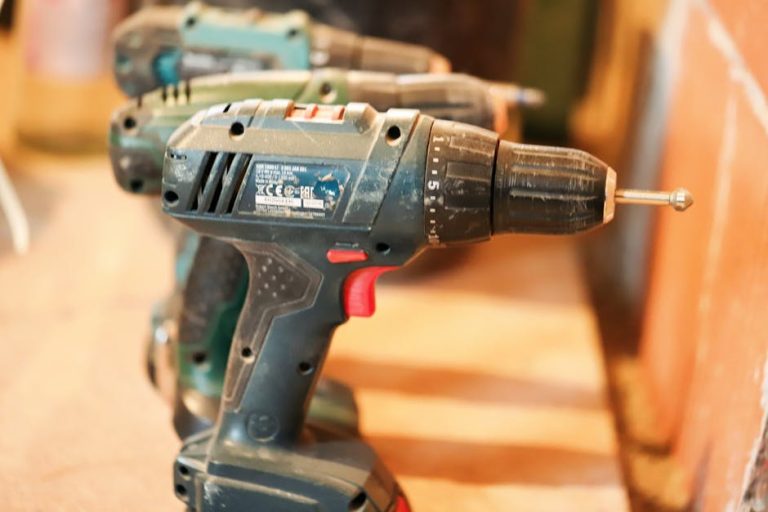
For battery-powered tools, a dedicated battery maintenance charger extends battery life significantly. These intelligent chargers monitor charge levels and prevent overcharging, which degrades battery cells. Some chargers also include conditioning cycles that help maintain optimal battery health.
Storage Solutions
Proper storage is a critical but often overlooked aspect of power tool maintenance. Tools stored in clean, dry environments with stable temperatures last significantly longer than those kept in damp basements or hot garages. A dedicated toolbox or cabinet protects tools from dust and environmental contamination while organizing them for easy access.
For valuable or frequently used tools, consider foam-lined storage cases that protect against impacts and vibration during transport. These cases also help identify missing tools and keep related items together. Pegboard walls in your workshop also work well for organizing and storing tools while keeping them visible and accessible.
Keep desiccant packs or moisture absorbers in your tool storage areas if you live in a humid climate. These inexpensive products prevent rust and corrosion by removing excess moisture from the air. Replace them regularly as they absorb moisture and lose effectiveness.
Testing and Diagnostic Equipment
A simple multimeter allows you to check for electrical problems in corded tools, verifying that power is reaching the tool and that there are no ground faults. While you don’t need to perform complex electrical diagnostics, being able to confirm basic electrical function can help identify when professional repair is necessary.
Battery testers specifically designed for power tool batteries help you understand their true condition. Many battery testers provide voltage readings and can identify cells that are failing, helping you decide whether a battery is worth reconditioning or should be replaced.

Pro Tips for Extending Power Tool Lifespan
Start with proper tool selection. Buying quality tools from reputable manufacturers ensures you’re starting with better components and more robust construction. While premium tools cost more upfront, their superior durability and performance justify the investment for regular users.
Develop a maintenance log. Keep simple records of when you perform maintenance on each tool, what you did, and any issues you discovered. This log helps you identify patterns, schedule preventive maintenance appropriately, and serves as documentation of your care for resale purposes.
Store tools in climate-controlled spaces. Extreme temperature fluctuations and high humidity create conditions that accelerate wear and corrosion. A climate-controlled workshop or storage area dramatically extends tool life compared to uncontrolled garage or shed storage.
Use tools for their intended purpose. Using a tool outside its design specifications puts stress on components never meant to handle that load. If you find yourself frequently pushing a tool beyond its intended use, it may be time to invest in a heavier-duty model designed for your applications.
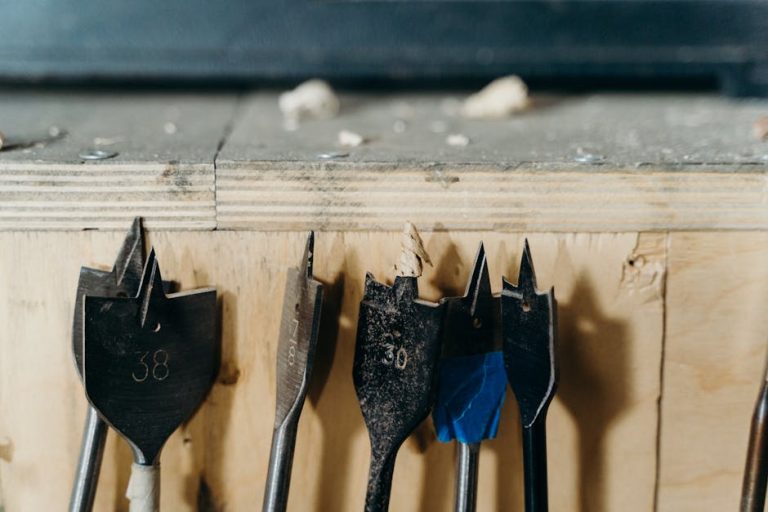
Check and replace consumables regularly. Saw blades, sanding pads, drill bits, and router bits wear out with use and should be replaced when dulled. Using dull cutting tools strains motors and produces poor results, so keeping these items sharp and fresh is essential.
Balance tool usage. If you have multiple tools capable of the same task, rotating their use distributes wear more evenly. This is particularly important for expensive tools like compound miter saws, where alternating with other cutting methods extends their lifespan.
Keep cords organized and protected. Coil cords loosely rather than in tight knots that create stress points. Protect cords from sharp edges and heavy objects that might damage insulation. Store cords indoors during winter to prevent cold-related brittleness.
Follow manufacturer maintenance schedules. Different tools have different maintenance requirements outlined in their manuals. These recommendations are based on extensive testing and represent the manufacturer’s understanding of what keeps their tools functioning optimally.

Common Mistakes to Avoid
Using the wrong cleaning methods can damage tools irreparably. Never submerge electric tools in water unless they’re specifically rated for wet use, and avoid solvents that can damage seals or plastic components. When in doubt, use only dry brushing and compressed air.
Neglecting battery maintenance causes rapid battery degradation. Leaving batteries uncharged for extended periods, allowing them to fully discharge before charging, or exposing them to extreme temperatures reduces their lifespan. Follow the manufacturer’s charging recommendations strictly.
Over-lubricating tools can be as damaging as under-lubrication. Excess lubricant attracts dust and debris, creates buildup that impedes movement, and can damage electrical components. Apply lubricant sparingly, and wipe away any excess immediately.
Ignoring warning signs allows small problems to become major failures. If a tool sounds different, feels unusual, or performs differently, investigate immediately. Many expensive failures could be prevented by addressing minor issues when they first appear.
Storing tools without protection exposes them to dust, moisture, and physical damage. Tools left loose in a truck bed or garage accumulate dirt and suffer damage from impacts. Proper storage in dedicated cases or cabinets is worth the small additional investment.
Using damaged cords or plugs creates electrical hazards and can damage the tool. If a cord is damaged, don’t wrap it with tape and continue using it—have the cord replaced or retire the tool. Electrical safety is non-negotiable.
Key Takeaways
- Regular cleaning prevents dust and debris buildup that reduces tool performance and lifespan
- Develop a maintenance routine including daily cleaning, weekly deep cleaning, and monthly inspections
- Invest in proper cleaning supplies like compressed air, soft brushes, and appropriate lubricants
- Store tools in clean, dry, climate-controlled environments to prevent rust and corrosion
- Follow manufacturer maintenance schedules and keep documentation of performed maintenance
- Use correct lubricants and avoid common mistakes like over-lubrication and using tools for unintended purposes
- Replace consumables like blades and bits promptly to reduce motor strain
- Address warning signs immediately to prevent minor problems from becoming major failures
Frequently Asked Questions About Cleaning and Maintaining Power Tools to Extend Life
Q: What is the best way to clean and maintain power tools to extend life?
A: The best approach combines regular cleaning after each use, weekly deep cleaning sessions, monthly inspections, and seasonal comprehensive maintenance. Use appropriate tools like compressed air, soft brushes, and microfiber cloths. Always consult your tool’s manual for specific recommendations, and address any signs of wear or damage immediately.
Q: How often should I perform maintenance on my power tools?
A: Establish a routine that includes daily cleaning, weekly deep cleaning for frequently used tools, monthly inspections, and seasonal comprehensive maintenance. Tools used daily may require more frequent attention than occasional-use tools. The frequency also depends on environmental factors—tools used in dusty environments need more frequent cleaning.
Q: Can I use WD-40 to lubricate my power tools?
A: No, WD-40 is a penetrating oil, not a lubricant, and should not be used for tool lubrication. It will eventually evaporate, leaving dry surfaces that wear quickly. Instead, use machine oil for general lubrication or follow your tool’s manual for specific lubricant recommendations for different components.
Q: How do I know if my power tool battery needs replacement?
A: If a battery no longer holds a charge for its specified duration, doesn’t charge fully, or shows significantly reduced power compared to new, it needs replacement. A battery tester can confirm this by measuring voltage and cell condition. Most power tool batteries last 2-4 years with proper maintenance.
Q: What should I do if I notice rust on my power tools?
A: Light surface rust can be removed with a rust eraser or fine steel wool. For more significant rust, apply a rust converter product that transforms rust into a stable compound, then apply a protective coating. Store tools in dry environments with desiccant packs to prevent future rust formation.
Conclusion
Understanding how to clean and maintain power tools to extend life transforms your relationship with your equipment and your workshop experience. By implementing a consistent maintenance routine, investing in proper cleaning supplies, and addressing problems promptly, you’ll keep your tools performing at peak efficiency for years longer than neglected tools. The time and money you invest in maintenance pays dividends through extended tool life, better performance, and improved safety. Start today by establishing a simple cleaning routine, and you’ll quickly discover that tool maintenance is an easy habit that yields significant rewards in the long run.
Recommended Products on Amazon
As an Amazon Associate I earn from qualifying purchases.