5 Power Tools Every Beginner DIYer Needs First
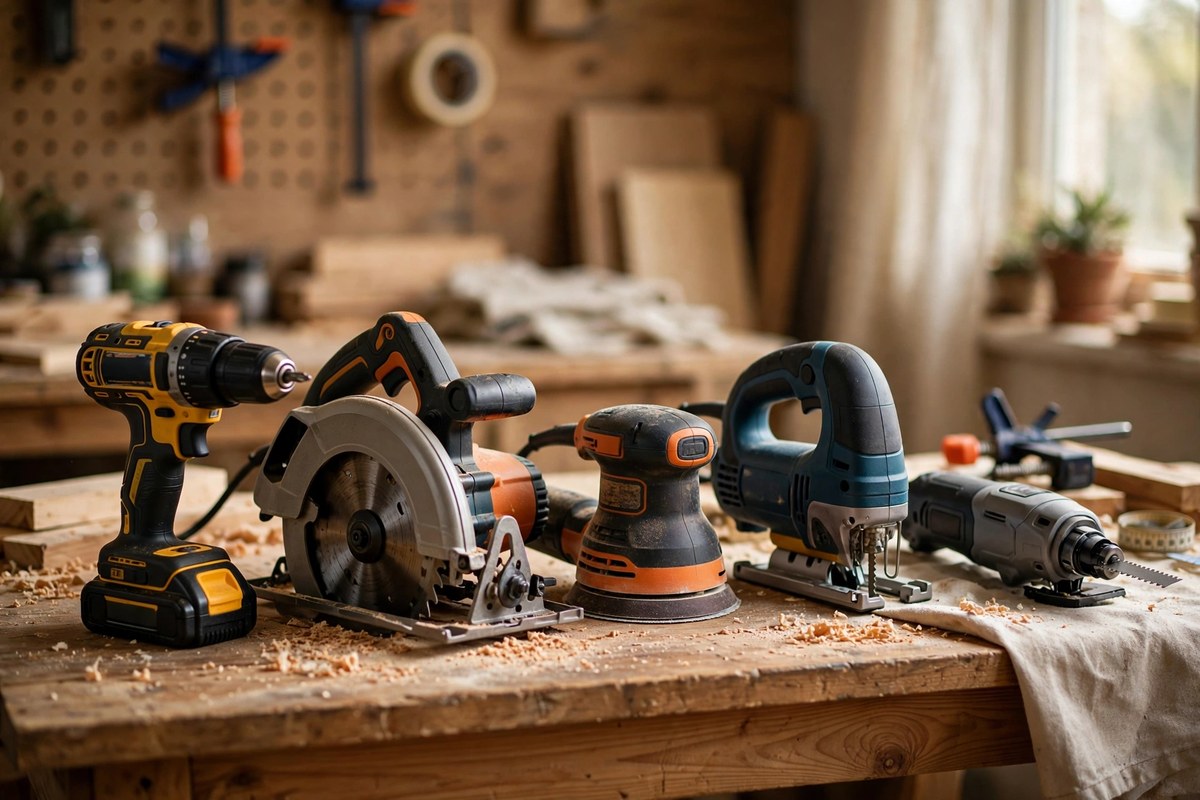
Walk into a tool aisle as a beginner and the choice is paralysing: walls of drills, saws and sanders, every box promising to be the one tool you can’t live without. Most of them can wait. A beginner does not need a workshop full of tools — they need five tools that cover the jobs that actually come up in a first year of DIY: drilling holes, cutting boards, smoothing surfaces, cutting curves, and getting into tight spots.
These five are the ones we’d buy first if we were starting from an empty garage today. Each one earns its place by doing jobs the other four can’t, and together they handle shelves, furniture builds, repairs, trim work, and small remodels. Prices below are typical ranges, and each tool gets an honest worth-it / skip-it verdict.
How We Picked These Five
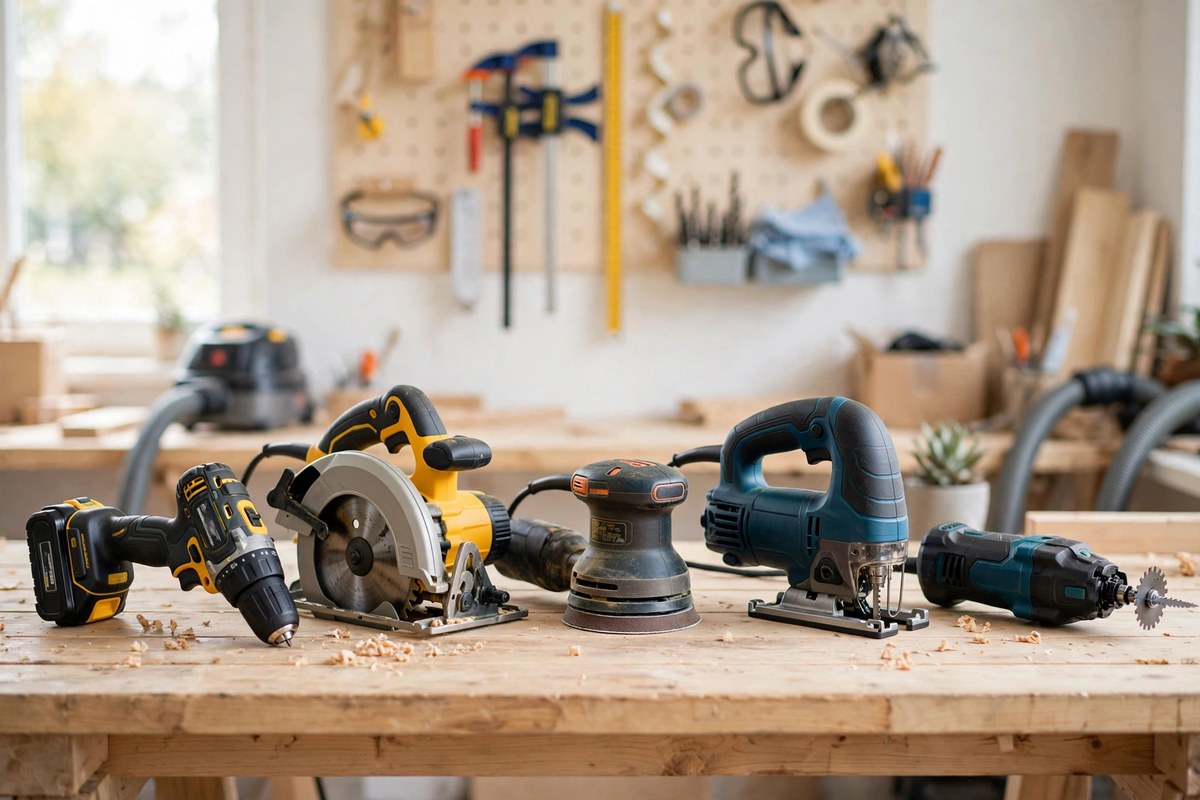
A tool made this list only if it passed three tests. First, it has to do a job no other tool on the list does — no duplicates. Second, a beginner has to be able to use it safely on day one, with normal care and a quick read of the manual. Third, it has to pay for itself: the jobs it handles would cost more to hire out than the tool costs to buy.
That rules out a lot of famous tools. A table saw is powerful but it costs $300 or more, needs floor space, and is the wrong first saw for a beginner. A miter saw is wonderful for trim but does one job. The five below are generalists with a clear job each — and they all fit the kind of budget a first DIYer actually has.
1. Cordless Drill/Driver — Buy This First
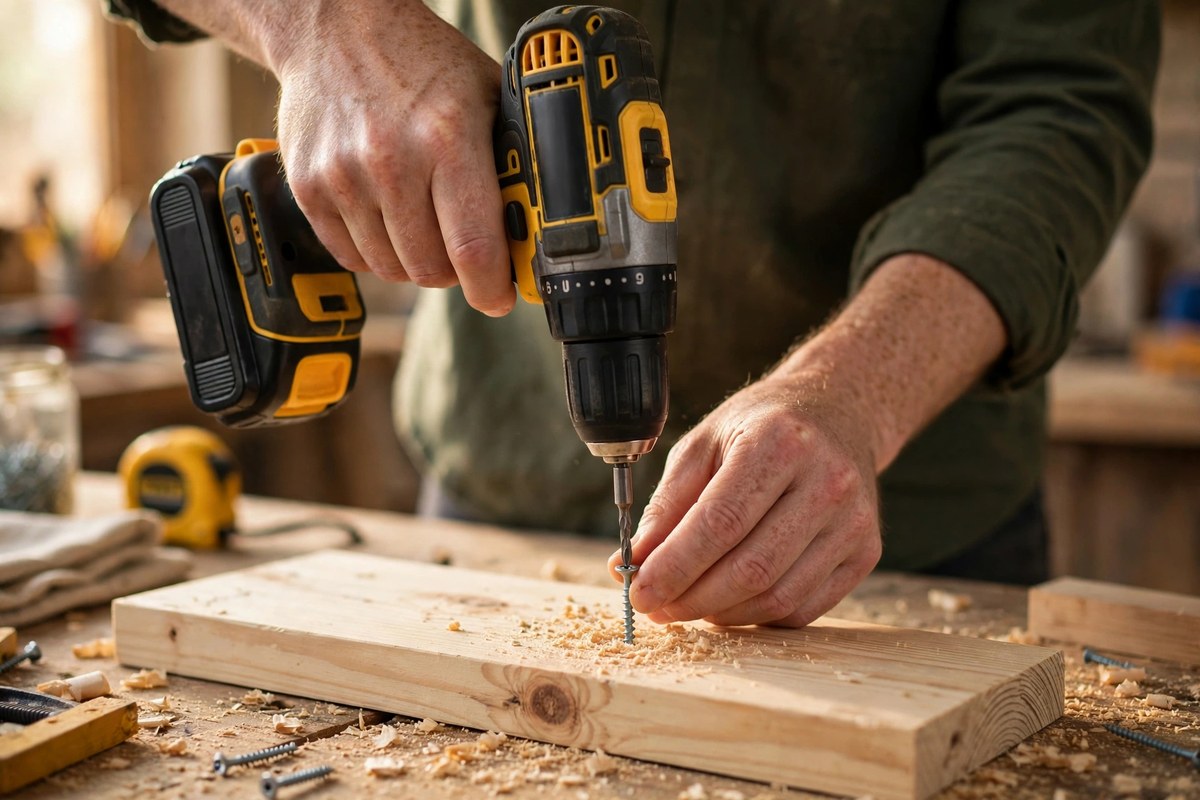
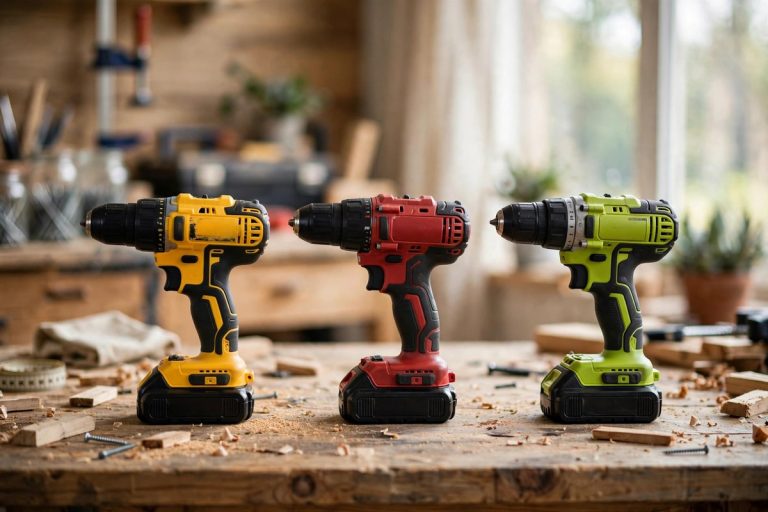
If you buy one tool this year, make it a cordless drill/driver. It drills holes, drives screws, assembles flat-pack furniture, hangs shelves and curtain rods, and with a cheap set of bits it can even mix paint and drill into masonry. No other tool on this list gets used on as many jobs. A 12V or 18V/20V drill/driver kit — drill, two batteries, charger — typically runs $79–$179, and a decent one lasts years. Pick a brand whose batteries you want to live with, because your second and third tools will probably share them. Our beginner cordless drill guide walks through the five best first drills in detail.
Worth it if: you own a home, rent a place you can hang things in, or build anything at all. Skip it if: you genuinely never hang, assemble or fix anything — in which case, honestly, this list may not be for you yet. For everyone else, the drill is non-negotiable. Buy the two-battery kit, not the single-battery deal: a dead battery mid-project is the most avoidable frustration in DIY.
2. Circular Saw — Your First Real Cutting Tool
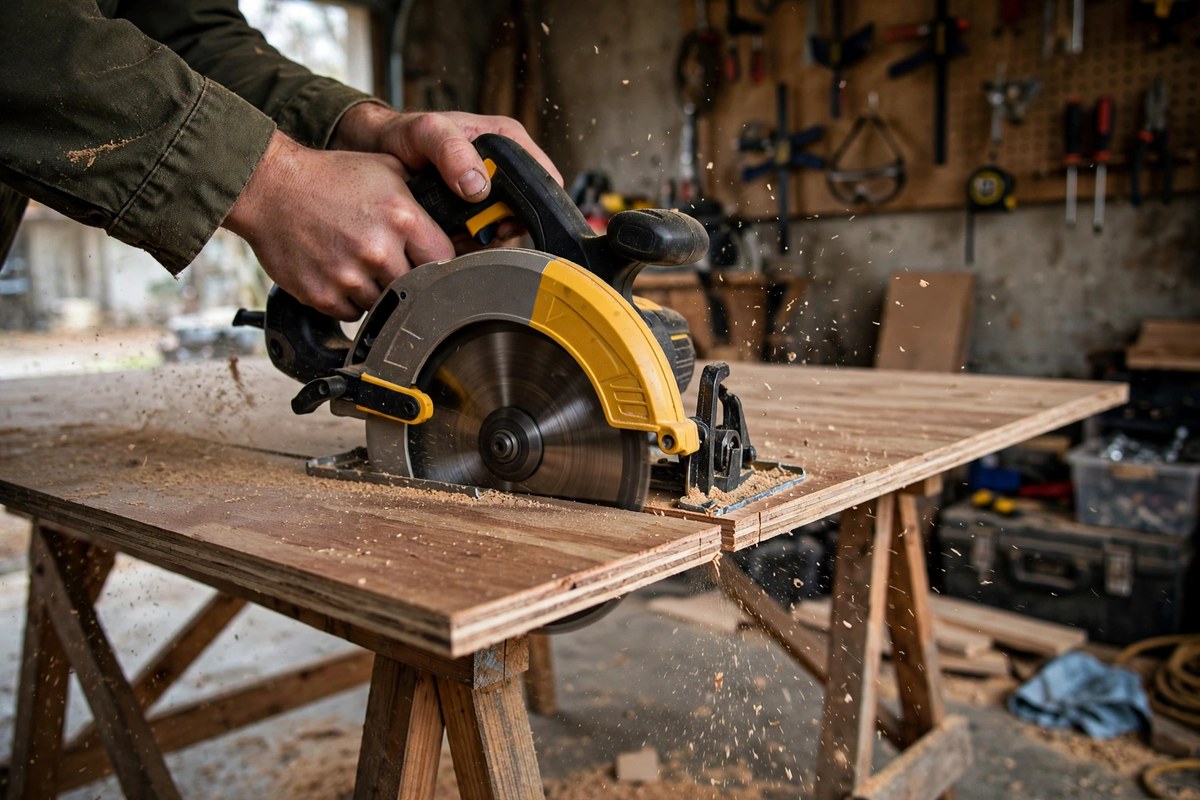
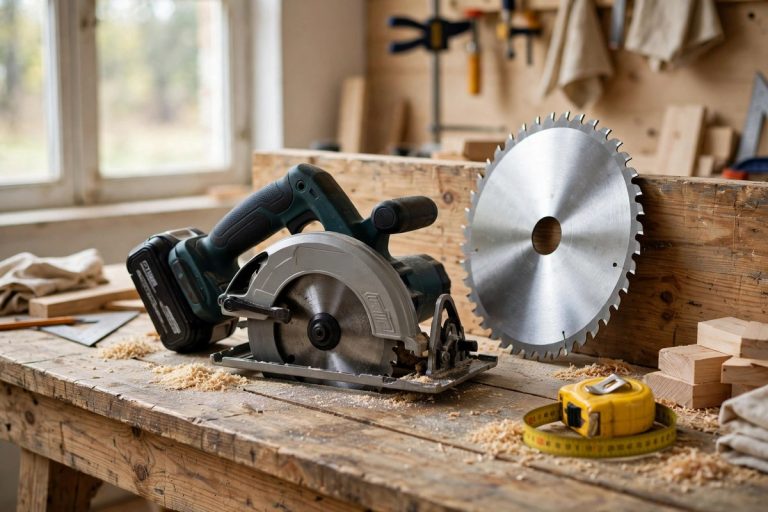
A basic 7-1/4-inch corded model typically costs $59–$129; a cordless kit on your drill’s battery platform runs $129–$249. One saw plus a straight-edge guide handles rip cuts, crosscuts, and deck boards. If you already own drill batteries from one brand, a bare-tool cordless saw is the smart buy — our corded vs cordless circular saw comparison breaks down the trade-offs.
Worth it if: you plan to build shelves, cut plywood, or do any deck or framing work. Skip it if: your projects are all small — a jigsaw (below) can handle short cuts.
3. Random Orbit Sander — The Difference Between DIY and Done
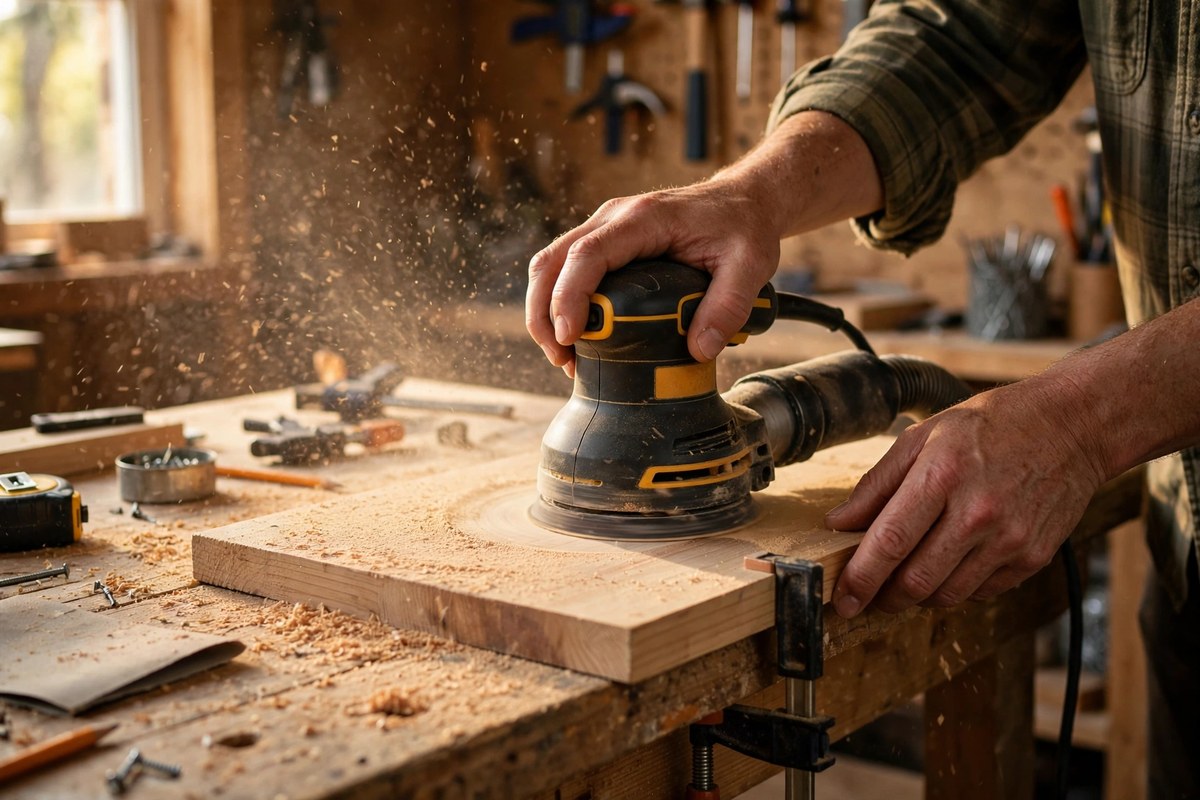
Beginners underestimate sanding, and it shows in the finished piece. A random orbit sander turns rough lumber into furniture-smooth surfaces in minutes, and it’s the tool that makes a first project look like it was made by someone who knew what they were doing. A decent 5-inch model typically costs $29–$69, sandpaper is cheap, and the tool is nearly impossible to misuse: hold it flat, let it do the work, move slowly.
Worth it if: you build or refinish anything wooden — shelves, tables, painted furniture. Skip it if: you only drill and assemble, and never paint or refinish raw wood.
4. Jigsaw — Curves, Cutouts and Inside Cuts
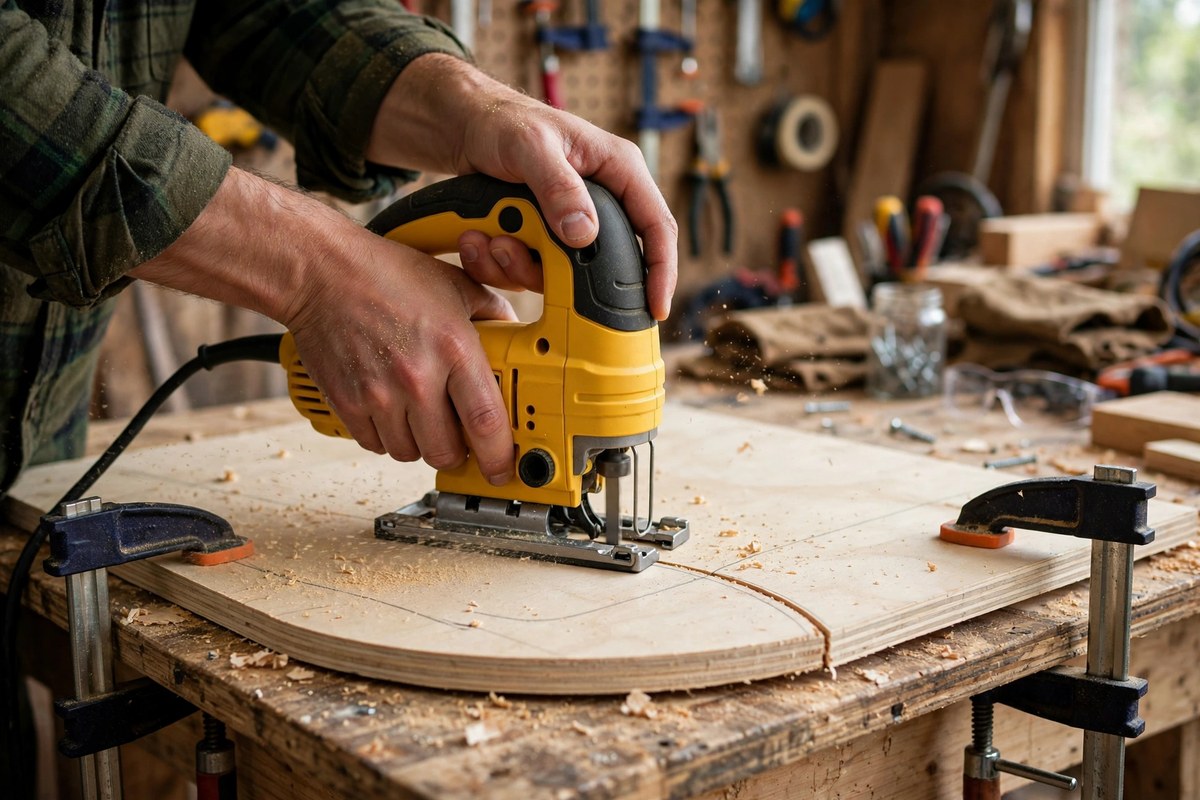
A circular saw only cuts straight lines. A jigsaw cuts everything else: curves, circles, cutouts for sinks and outlets, and shapes a circular saw can’t start. It’s the most forgiving saw a beginner can own — the blade moves slowly enough to control, the tool is light, and a bad cut is usually fixable. A solid corded jigsaw typically costs $39–$89, and the same battery platform you already own probably has a cordless version.
Worth it if: you cut shapes, trim, or need a cutout in the middle of a board. Skip it if: every cut you make is a straight one — though the first time you need a hole for a light fixture, you’ll wish you had it. Pick up a mixed pack of wood and metal blades; the blade matters more than the saw.
5. Oscillating Multi-Tool — The Problem-Solver
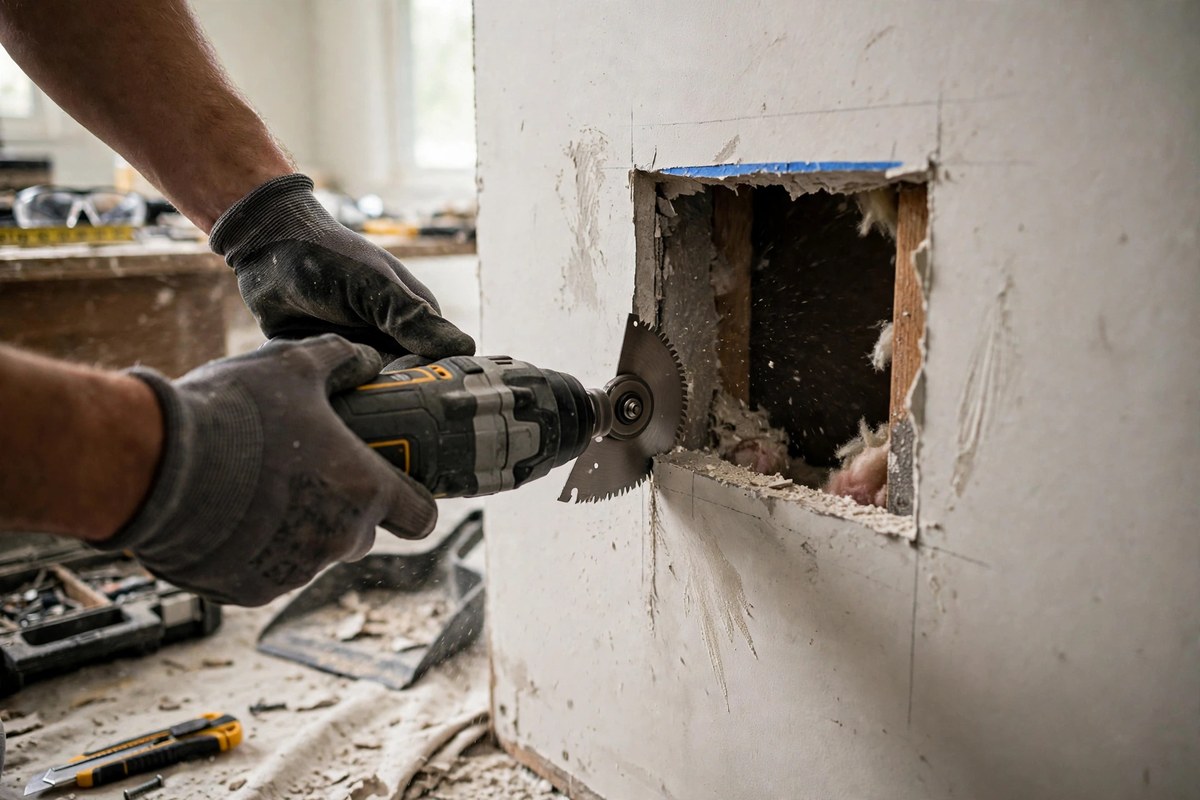
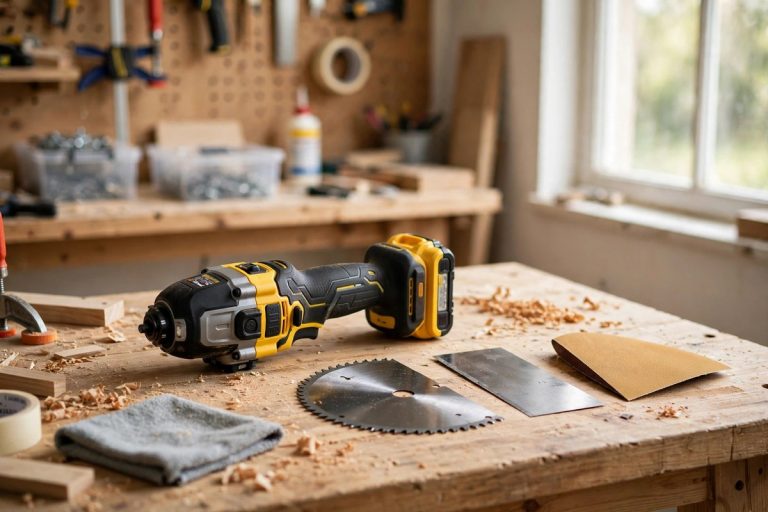
The oscillating multi-tool is the least glamorous tool on this list and the one experienced DIYers reach for most often. It trims door casings, cuts drywall, removes old grout, sands into corners, and slices through a nail buried in a board — jobs no other tool in the kit can do. A corded model typically costs $49–$99, and the blades are the real cost, so buy a mixed pack up front.
Worth it if: you do repairs, remodels, or anything involving existing walls and trim. Skip it if: you’re only building new projects from fresh lumber — though even then it earns its keep the first time a cut goes wrong and you need to fix it in place.
What to Skip (For Now)
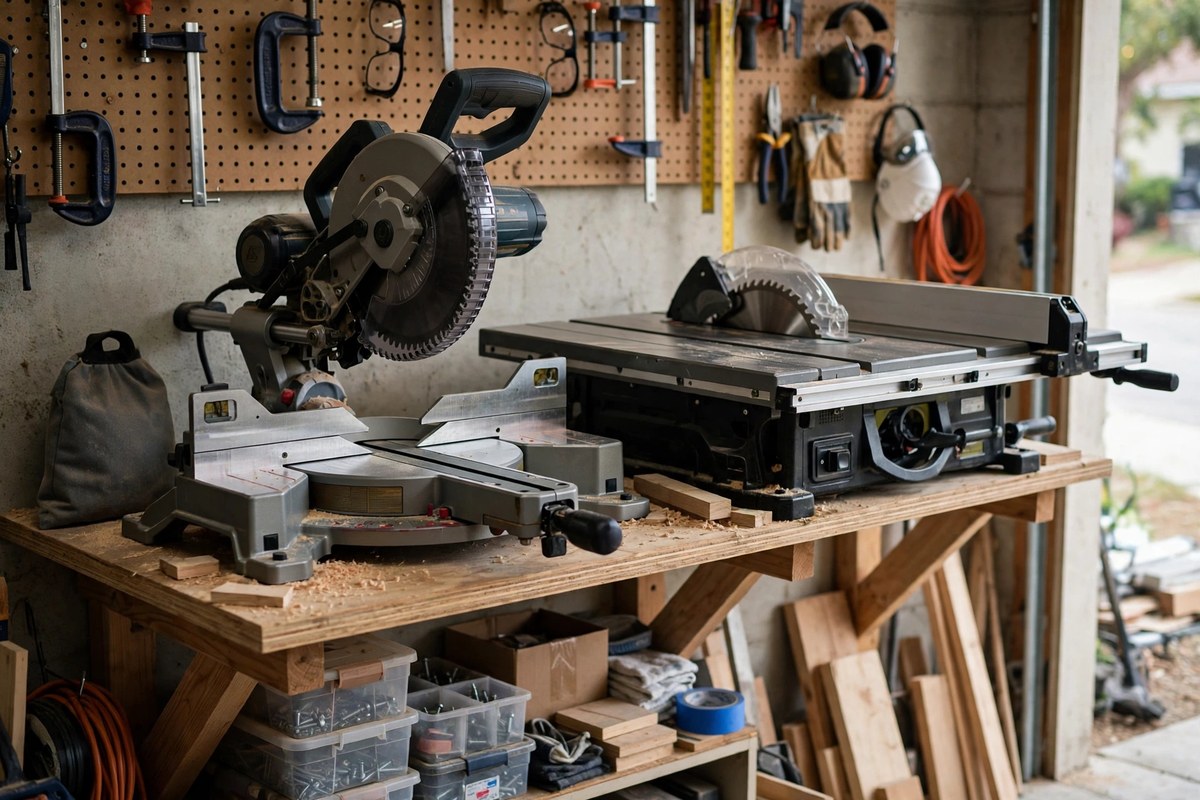
Five tools in, the temptation is to keep going. Don’t — at least not yet. A table saw ($300–$600) is the classic “someday” buy: powerful, but it needs space and dust collection, and a circular saw plus a guide does most of its beginner jobs. A miter saw ($149–$299) is a trim specialist — superb at what it does, but it does one thing. A nail gun ($99–$249 plus a compressor or battery) saves time on trim but adds cost and safety rules a beginner doesn’t need yet.
Buy these when a specific project demands them, not before — that’s how you know the money is going to work instead of sitting on a shelf.
Batteries, Bits and Blades: The Supporting Cast
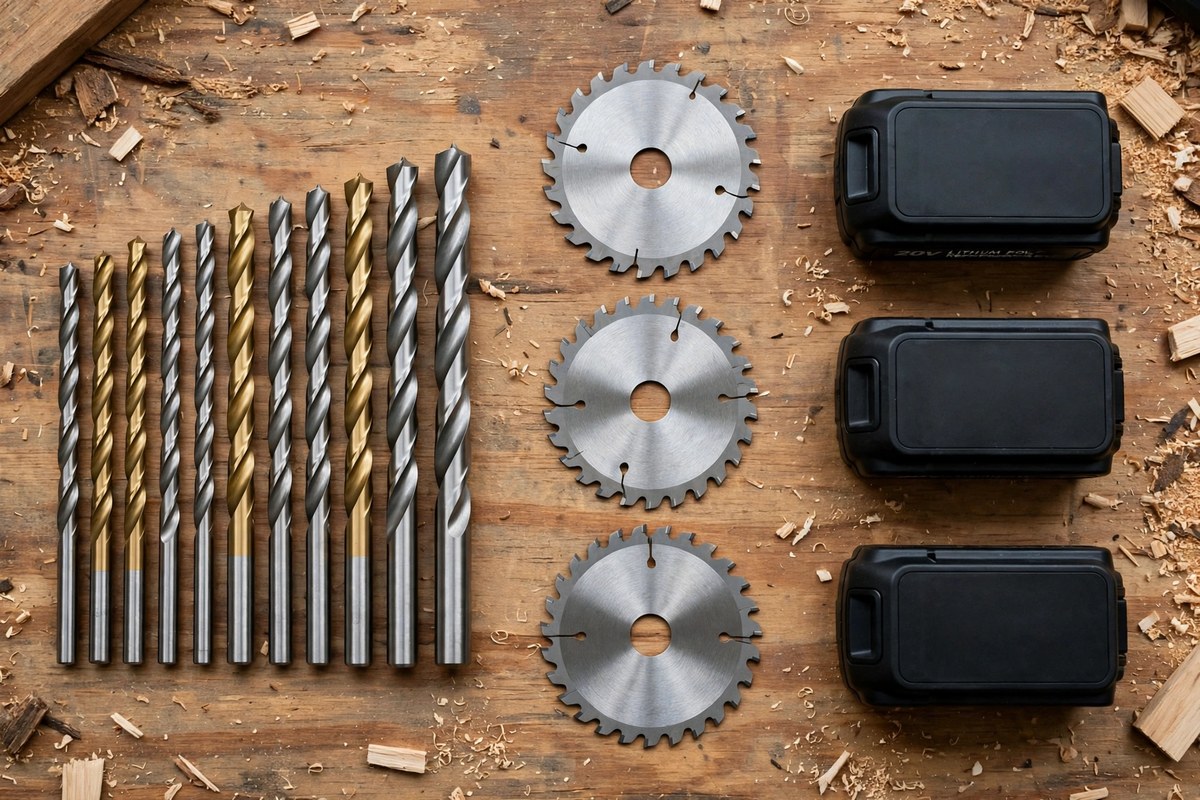
A set of drill bits ($15–$30) in twist, spade and masonry types covers most drilling; a 50-piece screwdriver-bit set ($10–$20) keeps you from hunting for the right tip; spare blades for the saws and multi-tool ($15–$25 per pack) mean a dull blade never stalls a weekend project. Keep one spare battery charged while you work.
If you stayed inside one battery platform for the drill, saw and sander, this is where it pays off — one charger, batteries that swap between tools, no second ecosystem to feed.
What It Costs — and the Order to Buy
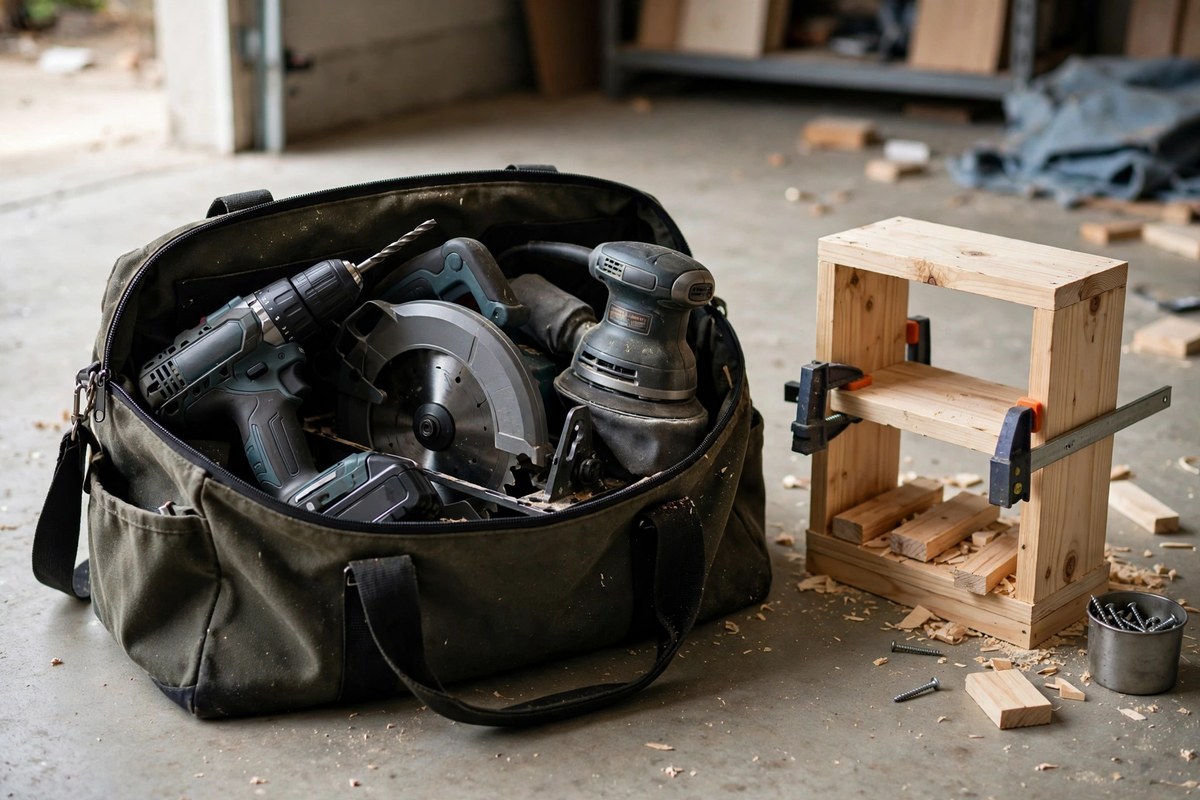
Add it up at typical prices: drill/driver kit $79–$179, circular saw $59–$129, random orbit sander $29–$69, jigsaw $39–$89, oscillating multi-tool $49–$99. The full five-tool kit lands around $300–$500 with bits, blades and sandpaper — less if you catch holiday sales, which routinely cut $20–$50 off each tool.
Buy in this order: drill first, then the circular saw, then the sander. Add the jigsaw and multi-tool when a project calls for them — or buy them together in a combo kit if your brand offers one.
Safety Basics Before Your First Cut

Five tools, five rules that never change. Wear eye protection every time a tool spins — glasses are $5–$10 and the cheapest insurance in the workshop. Unplug or remove the battery before changing a bit or blade. Clamp the workpiece; never hold it with your free hand near the cut. Let the tool reach full speed before it touches the wood, and let it stop before you set it down. And read the manual for each new tool once — ten minutes that prevents the mistakes that send beginners to the emergency room.
Respect the tools and they’ll respect your fingers. Most beginner injuries come from rushing, not from the tool itself.
The Bottom Line
Start with a drill, add a circular saw and a sander, round it out with a jigsaw and a multi-tool, and skip everything else until a project asks for it. Five tools, roughly $300–$500, and a kit that handles almost everything a first year of DIY throws at you. Buy the two-battery kit, stay on one battery platform, and spend the money you saved on materials for the next project.