
How to Choose the Best Circular Saw for Your Projects
A circular saw is the first power saw most people buy — and for good reason. It is affordable, portable, and able to make straight cuts, rip cuts, crosscuts, and bevel cuts in lumber, plywood, and sheet goods. Choosing the wrong one, though, means fighting kickback, rough cuts, or a battery that dies halfway through a sheet. This guide walks you through the decisions that matter, in the order you should make them, so you can buy once and cut with confidence.
What a Circular Saw Can (and Can’t) Do
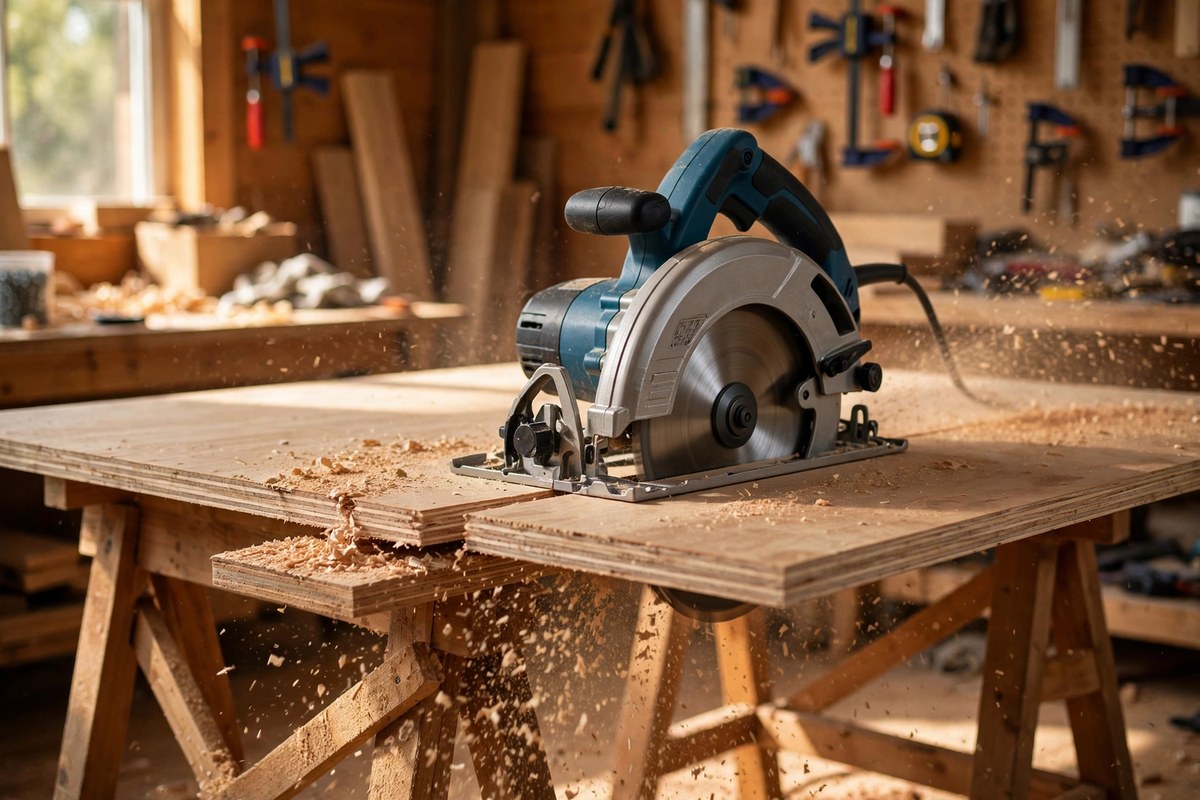
A circular saw spins a toothed disc through wood, cutting in a straight line. With a guide, it can break down full sheets of plywood almost as accurately as a table saw. It rips long boards, crosscuts studs, and bevels edges up to 45 or even 57 degrees. It can also cut decking, trim, and — with the right blade — fiber cement, metal, and masonry.
What it can’t do is cut curves, make inside cuts, or replace a jigsaw or a miter saw for fine joinery. It is a rough-to-fine cutting tool, not a shaping tool, and it throws sawdust and noise in every direction. If you mostly need curved cuts, buy a jigsaw first. If you mostly cut long, straight lines in sheet goods and lumber, the circular saw is the right tool.
Worth it if: you build decks, shelves, fences, or furniture from sheet goods. Skip it if: your projects are mostly small craft cuts or detailed curves.
The First Decision: Corded vs Cordless
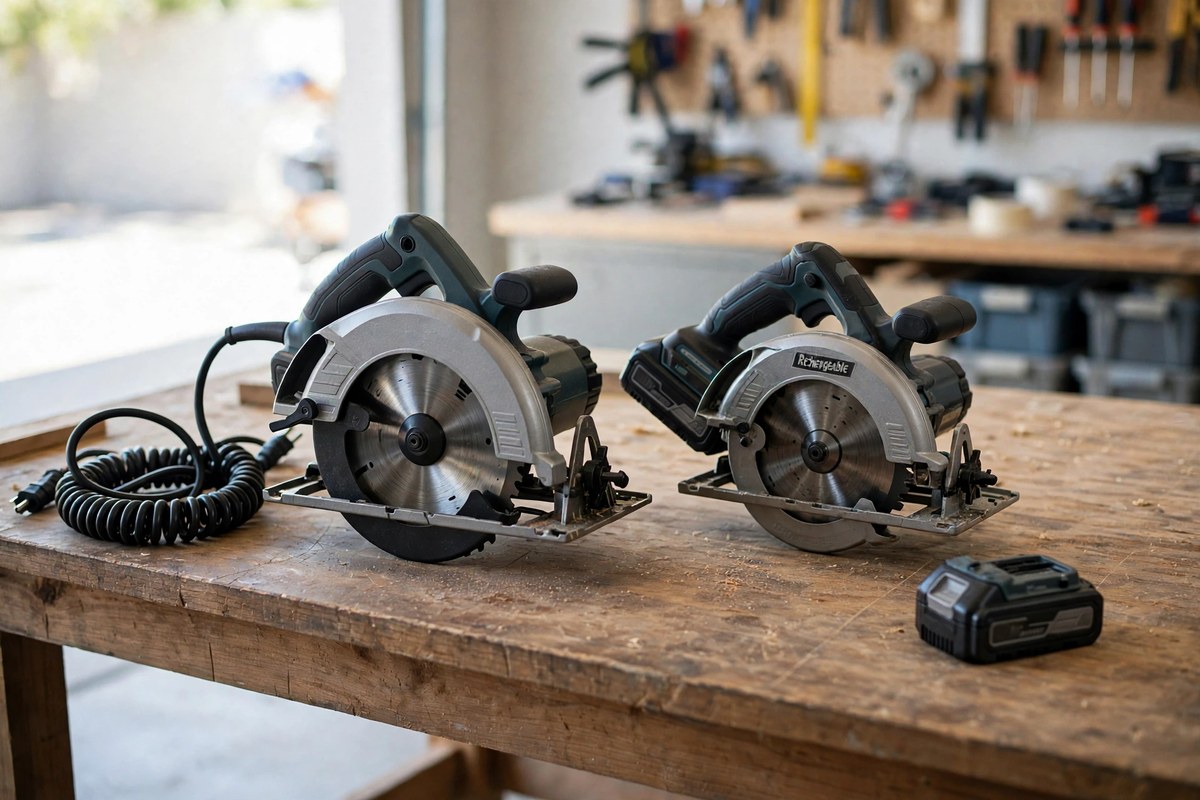
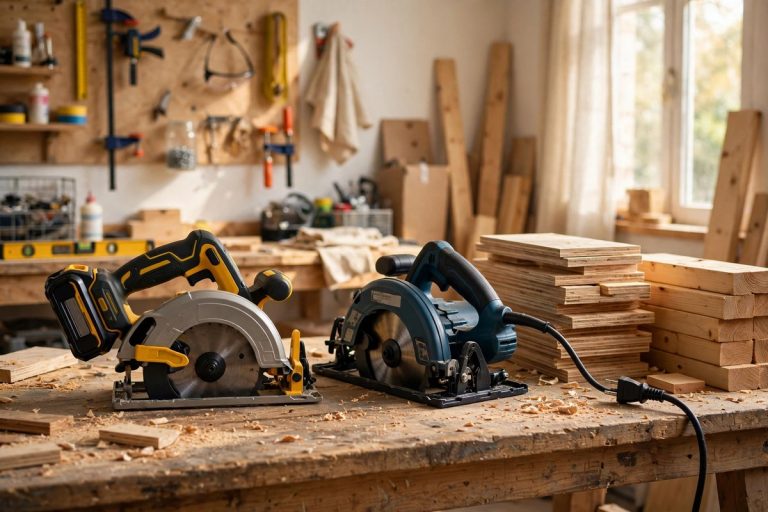
Corded saws plug in and never run out of power. They are usually cheaper, lighter, and more powerful for the money, and they make sense if you work near an outlet or in a shop. Cordless saws run on 18V or 20V (or higher) batteries, so you can cut on a roof, in a yard, or on a job site without dragging a cord. They cost more, and you will want a second battery for long days.
If you already own batteries from a tool brand, stick with that brand — a bare tool (no battery) can save $80 or more. If you own nothing yet, a cordless kit with two batteries is the most versatile starting point. Our full comparison is in the corded vs cordless circular saw guide.
Our rule of thumb: if you cut for more than an hour at a time or rip thick hardwood, go corded or bring two big batteries. For quick weekend cuts, one 5.0Ah battery is plenty.
Blade Size: 6½-Inch vs 7¼-Inch
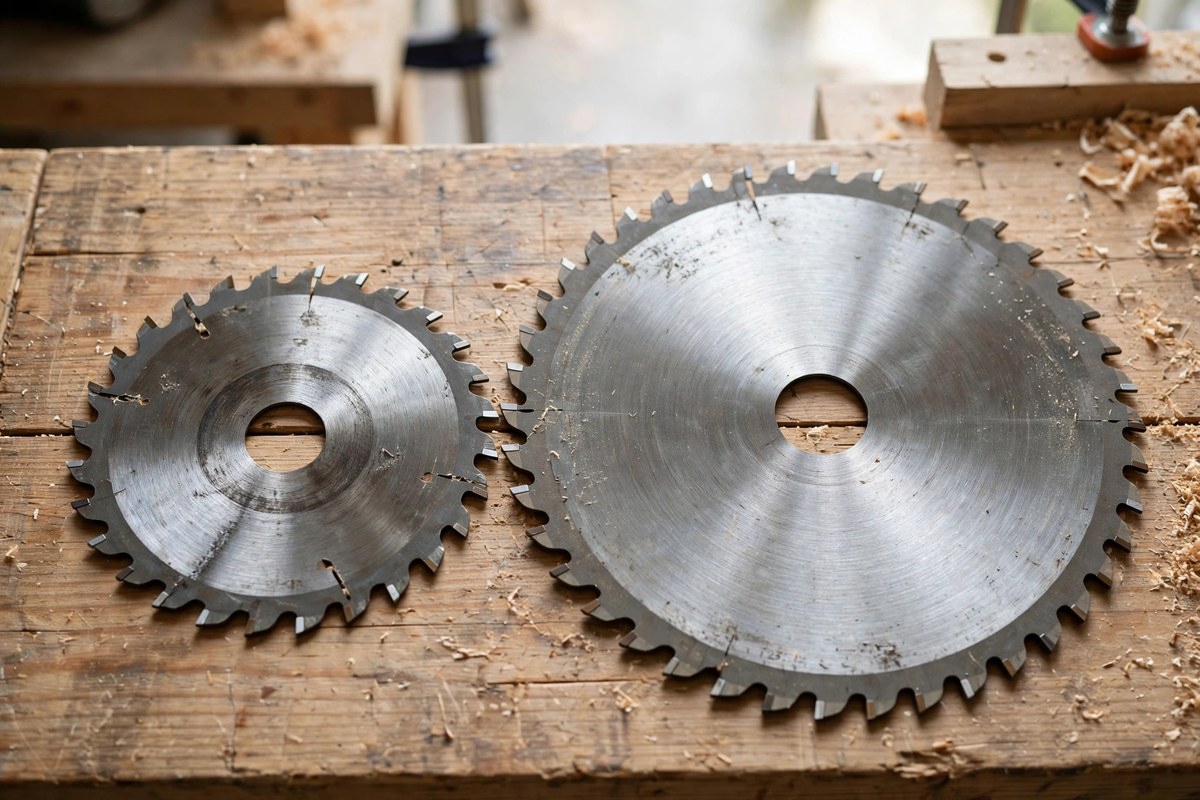
Most full-size circular saws use a 7¼-inch blade, which cuts up to about 2½ inches deep at 90 degrees — enough to slice a 2×4 in one pass. Compact saws use a 6½-inch blade and cut about 2⅛ inches deep, which is still enough for a 2×4, but they are lighter and easier to control one-handed.
The 7¼-inch size is the safe default because blades are everywhere and cheap. The 6½-inch size is a good choice if you want a lighter saw for overhead work or you already own that battery platform. Avoid odd sizes like 5⅜-inch unless you have a specific reason: blades are harder to find and cost more.
Worth it if: you cut 2x lumber and sheet goods regularly. Skip it if: you only cut thin paneling and want the lightest saw possible.
Sidewinder vs Worm Drive: Which Layout?
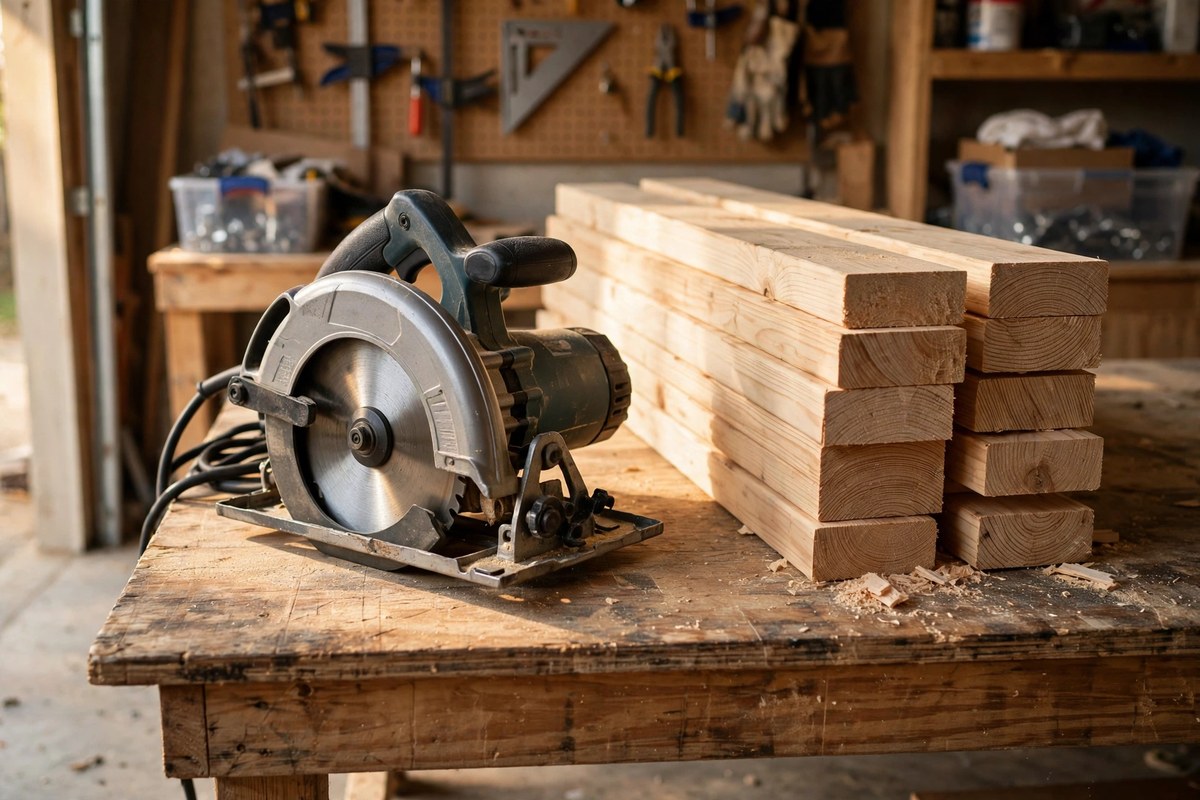
A sidewinder (also called an inline saw) has the motor beside the blade, so the saw is compact and the blade is on the right for right-handed users. It is lighter, cheaper, and the most common layout for homeowners. A worm drive puts the motor behind the blade, with the blade on the left. It is heavier and longer, but it delivers more torque and a clearer view of the cut line for right-handed users.
For most home projects, a sidewinder is the right call. Worm drives shine for framing crews and anyone cutting thick, wet lumber all day. If you are left-handed, test both layouts in a store before you buy: blade side matters more than motor type for comfort and sight lines.
Power Numbers That Actually Matter
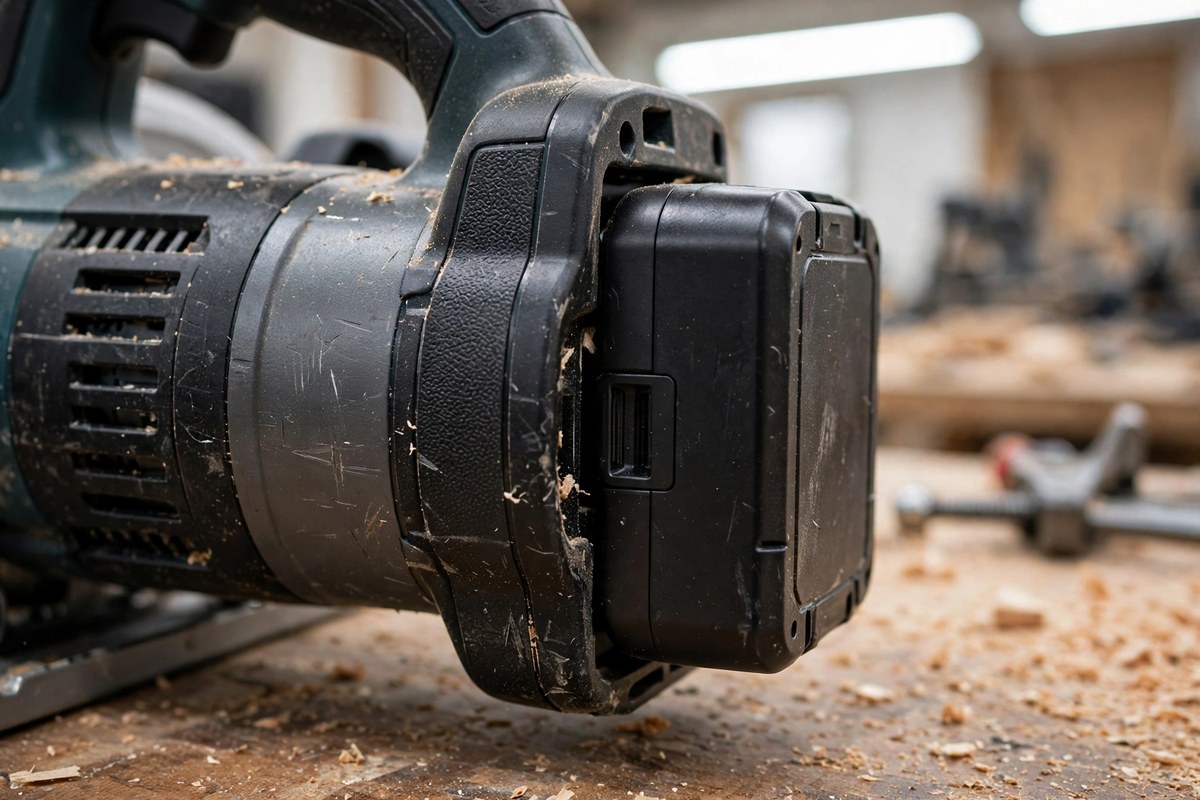
Amps (corded) and volts (cordless) tell you something, but they are not the whole story. A 15-amp corded saw is the standard for full-size cutting. A 13-amp saw can feel underpowered ripping wet 2x lumber. For cordless, look for a brushless motor and a 5.0Ah or larger battery: brushless motors run cooler and longer, and a bigger battery sustains power under load.
Ignore peak horsepower claims on the box. Instead, check the no-load speed (RPM) and the depth of cut, and read reviews from people cutting the same material you plan to cut. A saw that bogs down in plywood is a saw you will regret.
Features Worth Paying For
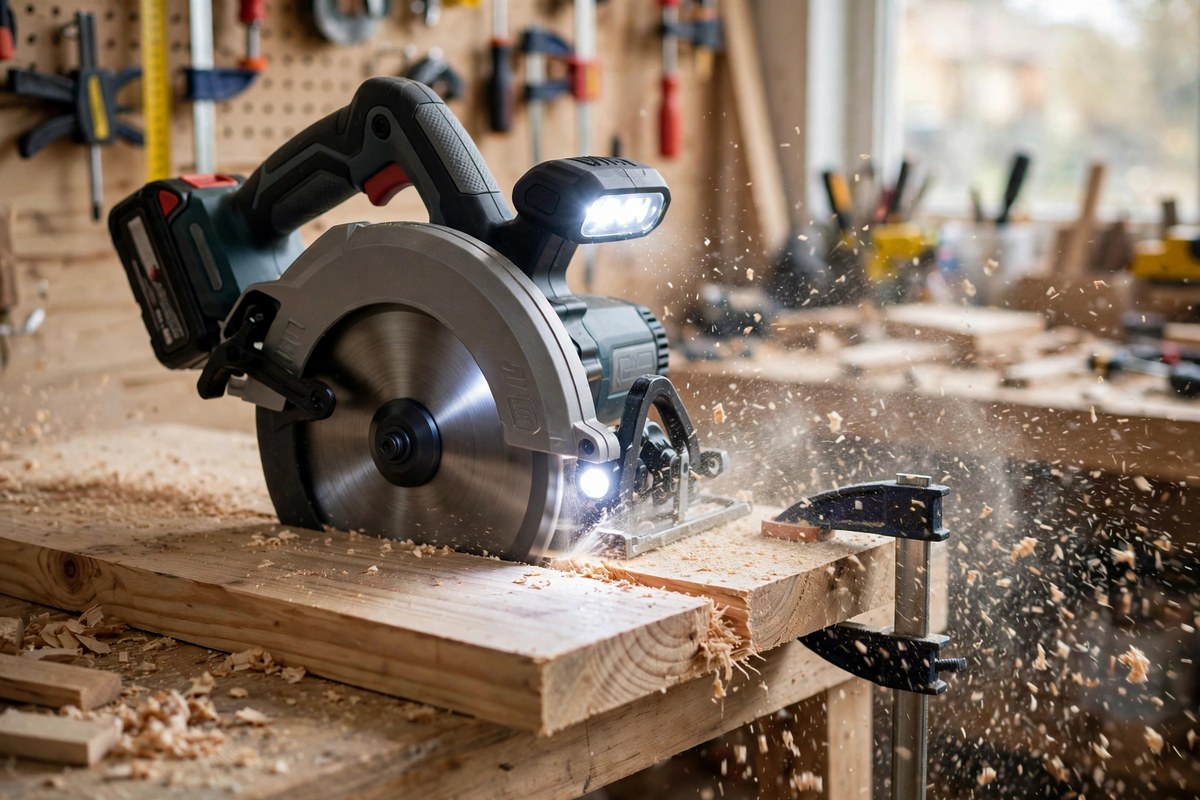
A few features are worth real money. An electric brake stops the blade in seconds instead of letting it spin down, which is safer and faster. A bright LED work light helps you see the cut line in a dim garage. A blower that clears dust from the cut line is more useful than it sounds. A sturdy rip fence and a bevel stop at common angles (22.5°, 45°) save setup time.
Nice to have, but not deal-breakers, are onboard blade wrenches, rafter hooks, and dust ports. Skip gimmicks like laser guides if they add cost: a sharp blade and a straightedge do the job better.
Picking the Right Blade
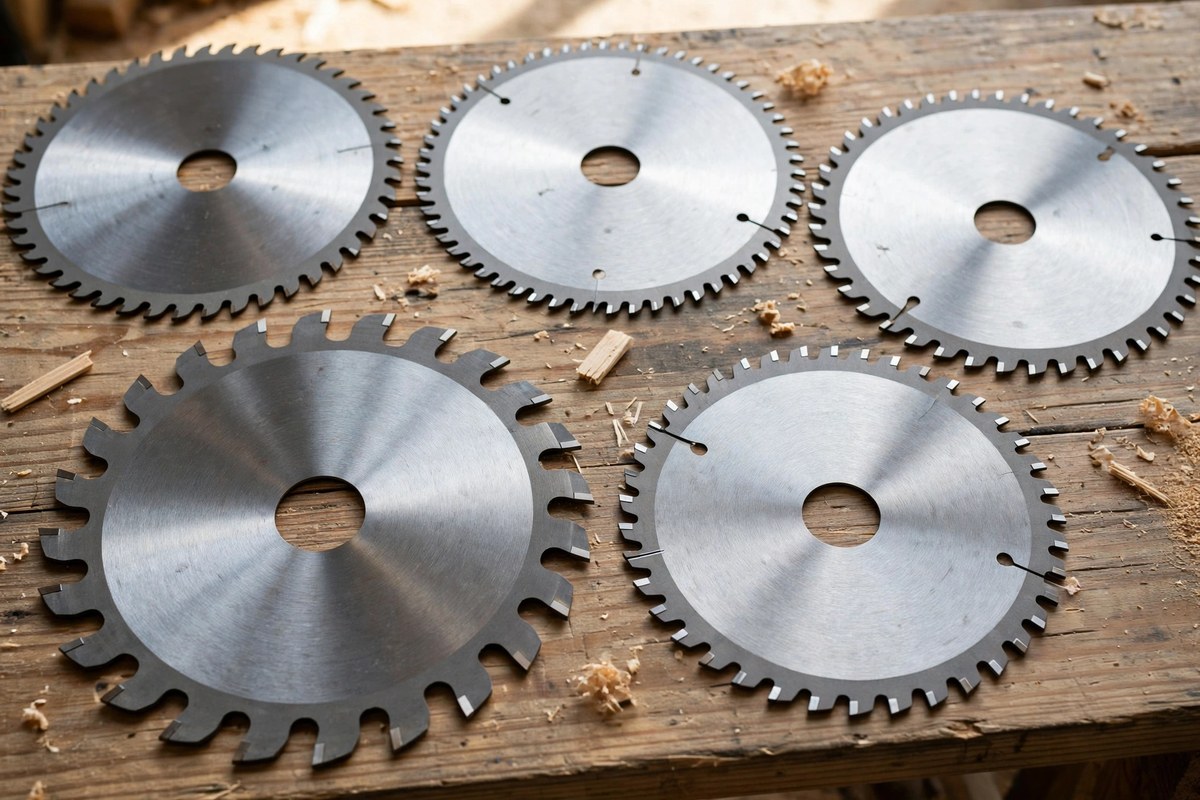
The blade that comes in the box is a general-purpose compromise. For framing, use a 24-tooth carbide blade: it cuts fast and clears chips. For plywood and finished cuts, switch to a 40-tooth or higher carbide blade for a cleaner edge. A thin-kerf blade removes less material, so the saw works less hard and the battery lasts longer — a good upgrade for cordless saws.
Keep a spare blade on hand, and replace a blade when cuts start to burn, wander, or need force. A dull blade is dangerous: it binds, kicks back, and overheats. Store blades flat, and never use a cracked or missing-tooth blade.
What to Spend: Three Budget Tiers
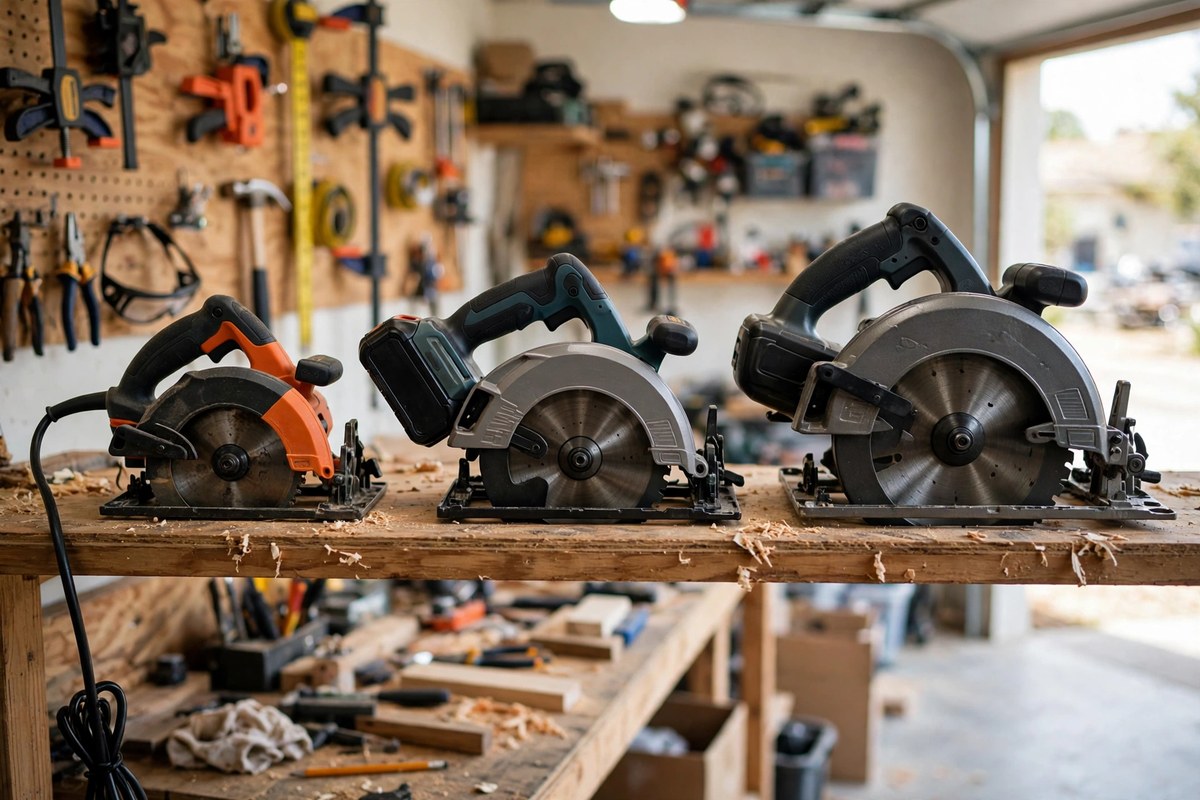
Budget, $60–$99: a basic corded 7¼-inch saw or a compact cordless kit on sale. Good for occasional cuts, but expect a basic blade, no brake, and a short warranty.
Mid-range, $100–$199: a brushless cordless saw with a 5.0Ah battery, electric brake, and LED light — the sweet spot for most homeowners. This is where we would spend our money.
Pro, $200 and up: a worm drive or a high-end cordless saw with a large battery platform. Buy this tier only if you frame, deck, or remodel for a living.
Safety and the Mistakes Beginners Make
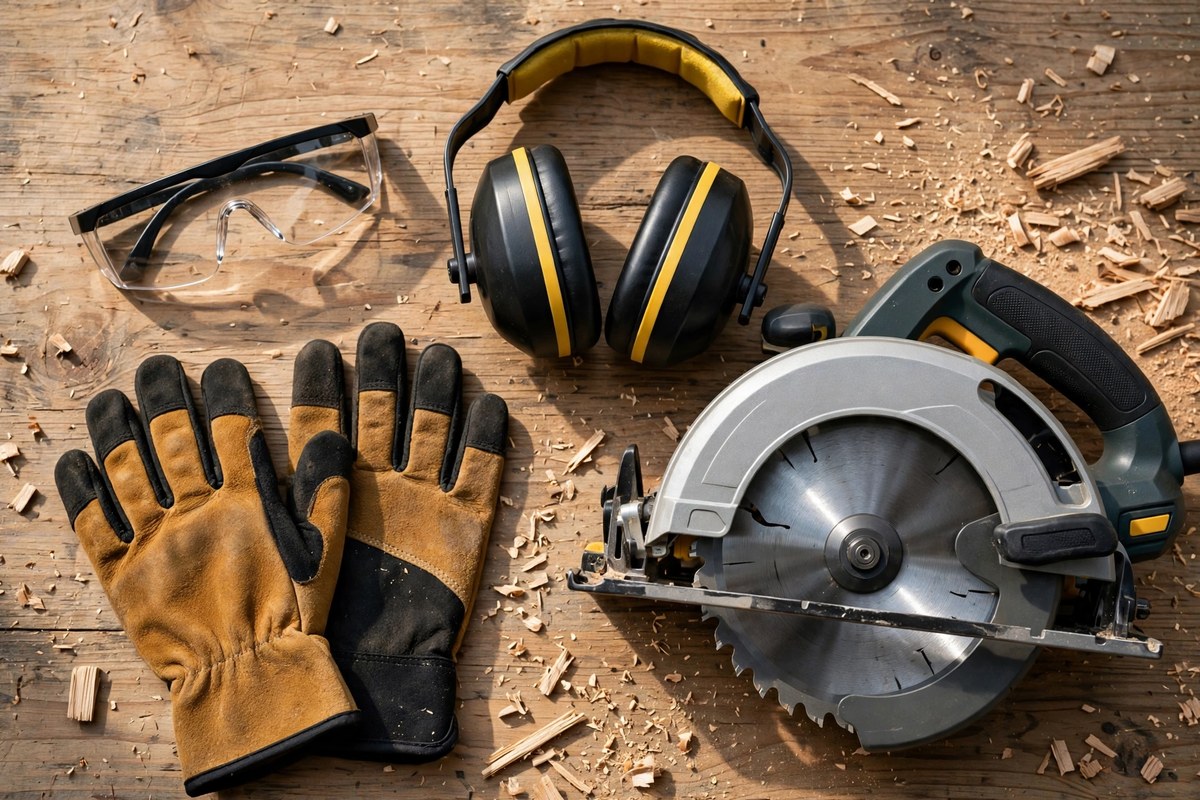
Let the blade reach full speed before you enter the cut, and let it stop before you lift the saw. Keep both hands on the saw, keep the cord behind you, and never reach under a board while the blade is spinning. Support the offcut so it does not pinch the blade, and clamp a straightedge for long cuts instead of freehanding them.
The most common beginner mistakes are cutting with a dull blade, forcing the saw through the cut, and forgetting to set the depth so only ¼ inch of blade shows below the material. Set the depth, check the guard returns, wear eye and hearing protection, and make a practice cut on scrap first.
Our Pick: Which Saw to Buy First
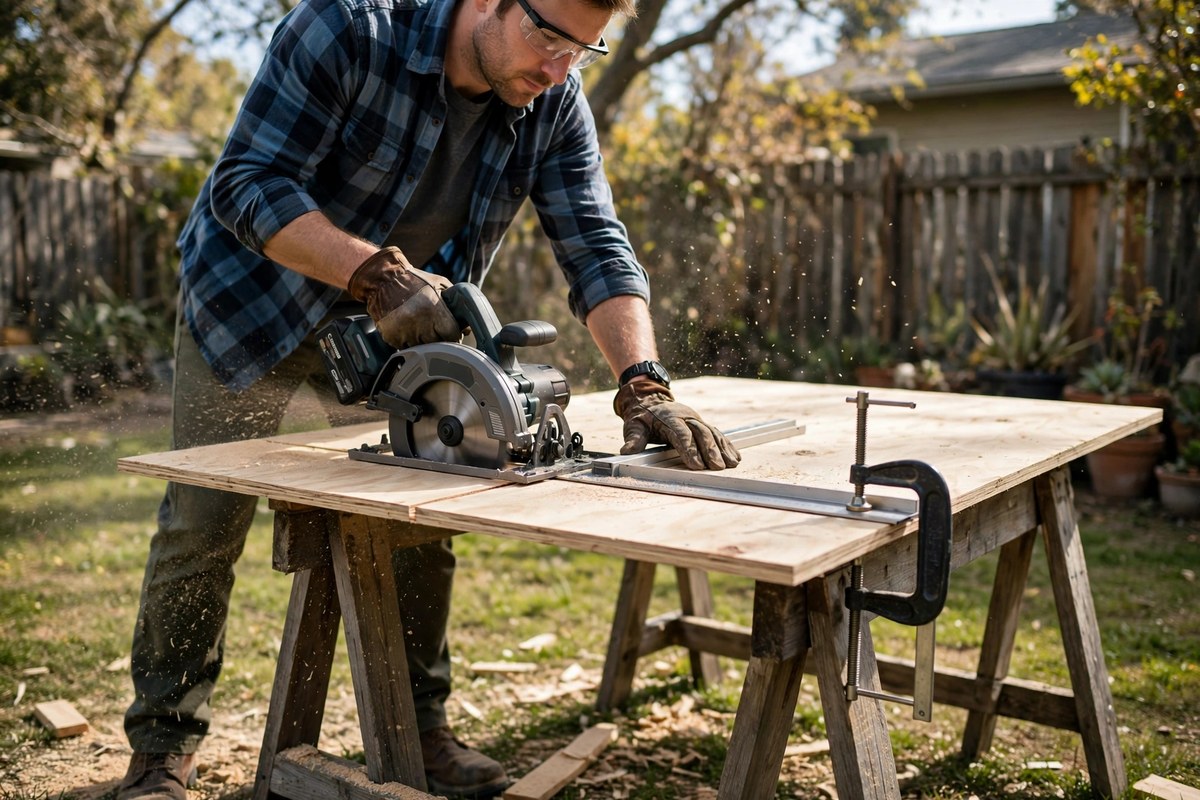
For most homeowners, the best first circular saw is a brushless cordless 7¼-inch saw from a battery platform you already own (or plan to build), with a 5.0Ah battery, an electric brake, and an LED light. It handles sheet goods, lumber, and decking, and it goes anywhere.
Our verdict: buy the mid-range brushless cordless saw, add a 40-tooth carbide blade for clean cuts, and spend the money you save on a straightedge guide and a second battery. That combination covers nearly every project in this guide — and the saw will still be cutting straight years from now.