DeWalt vs Milwaukee vs Ryobi: Which Battery Platform Wins?
Pick a cordless drill and you’re really picking a battery. The drill is the cheap part — the batteries, the charger, and the dozen tools you’ll buy over the next five years all run on the same platform. Choose wrong and you end up owning two chargers, two battery stacks, and tools that can’t share power.
Three platforms dominate the home DIY world: DeWalt 20V MAX, Milwaukee M18, and Ryobi 18V ONE+. All three make good drills. None of them is the best choice for everyone. This guide compares them honestly — power, tool range, battery life, and real-world cost — so you buy into the right platform the first time.
The Short Answer
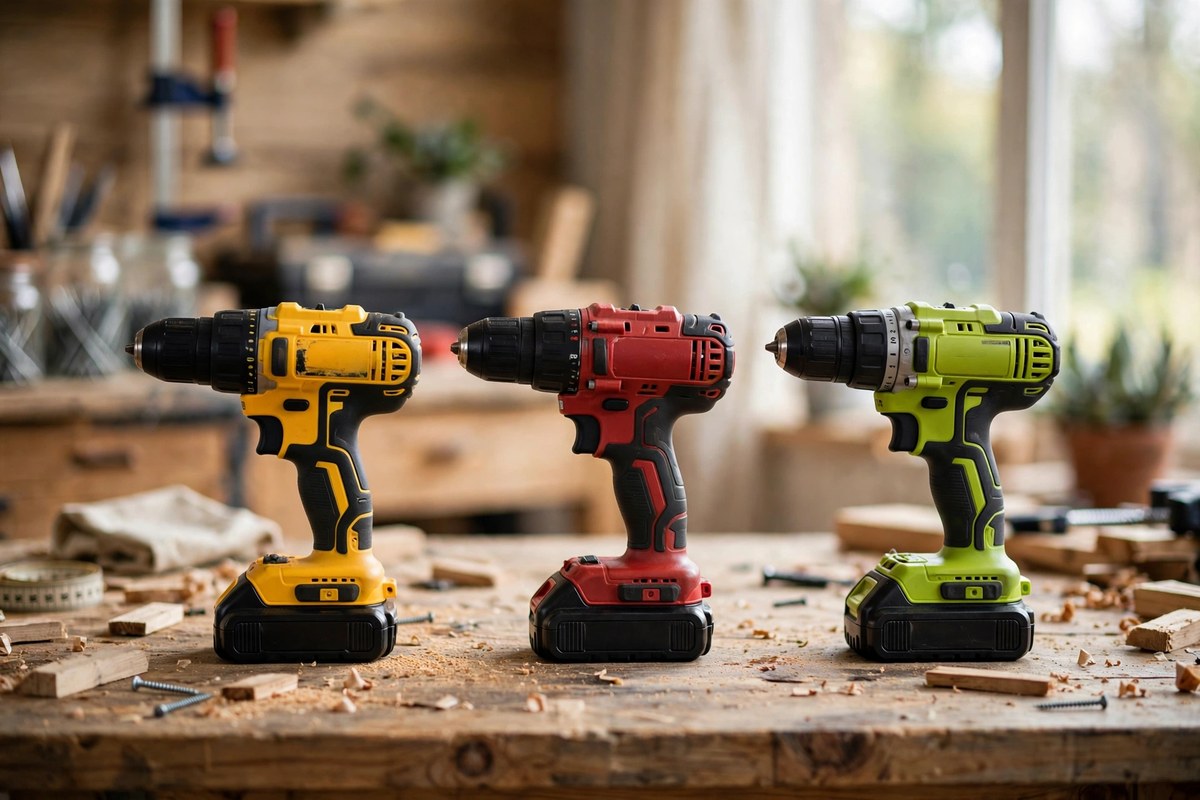
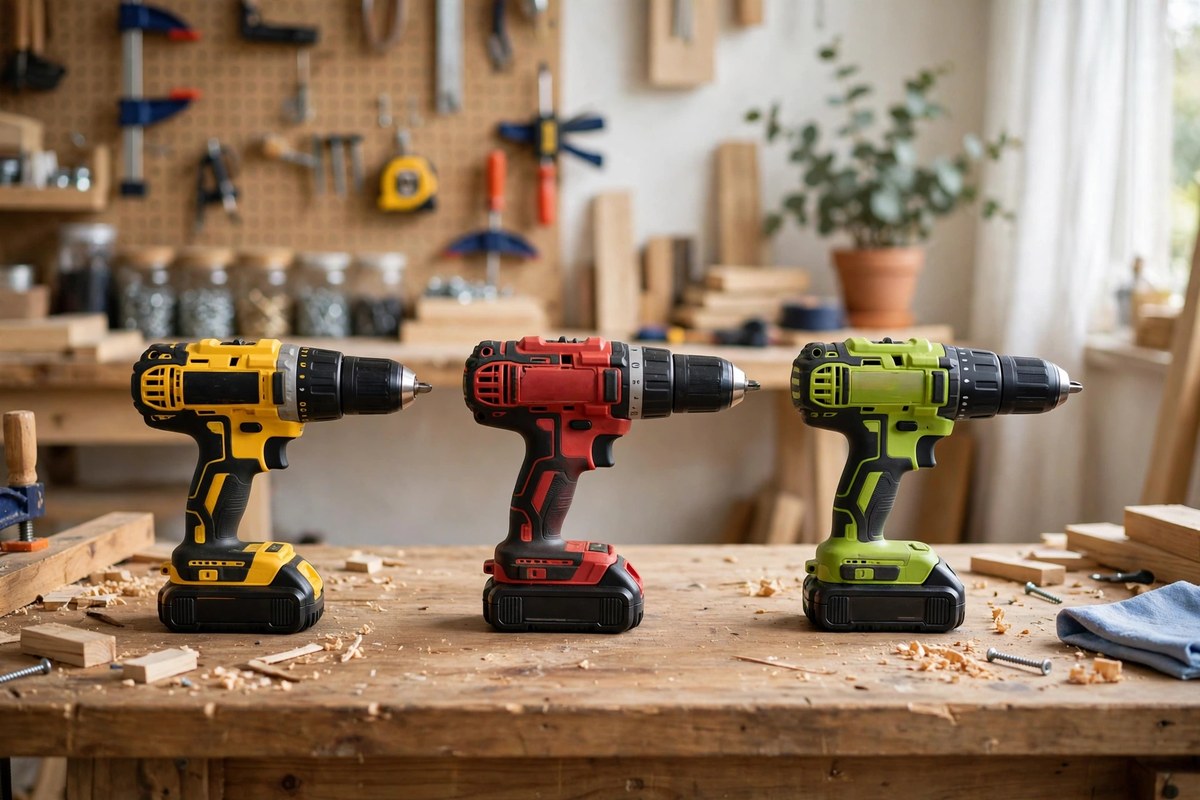
DeWalt 20V MAX is the safest all-round bet: strong tools, huge range, batteries on sale everywhere. Milwaukee M18 is for those who push tools hard or want the most capable compact tools. Ryobi 18V ONE+ is the budget pick, with the widest range of affordable home and garden tools on one battery. For a beginner buying a first drill, any of the three works — the decision is about what you’ll buy second and third.
Why the Platform Matters More Than the Drill
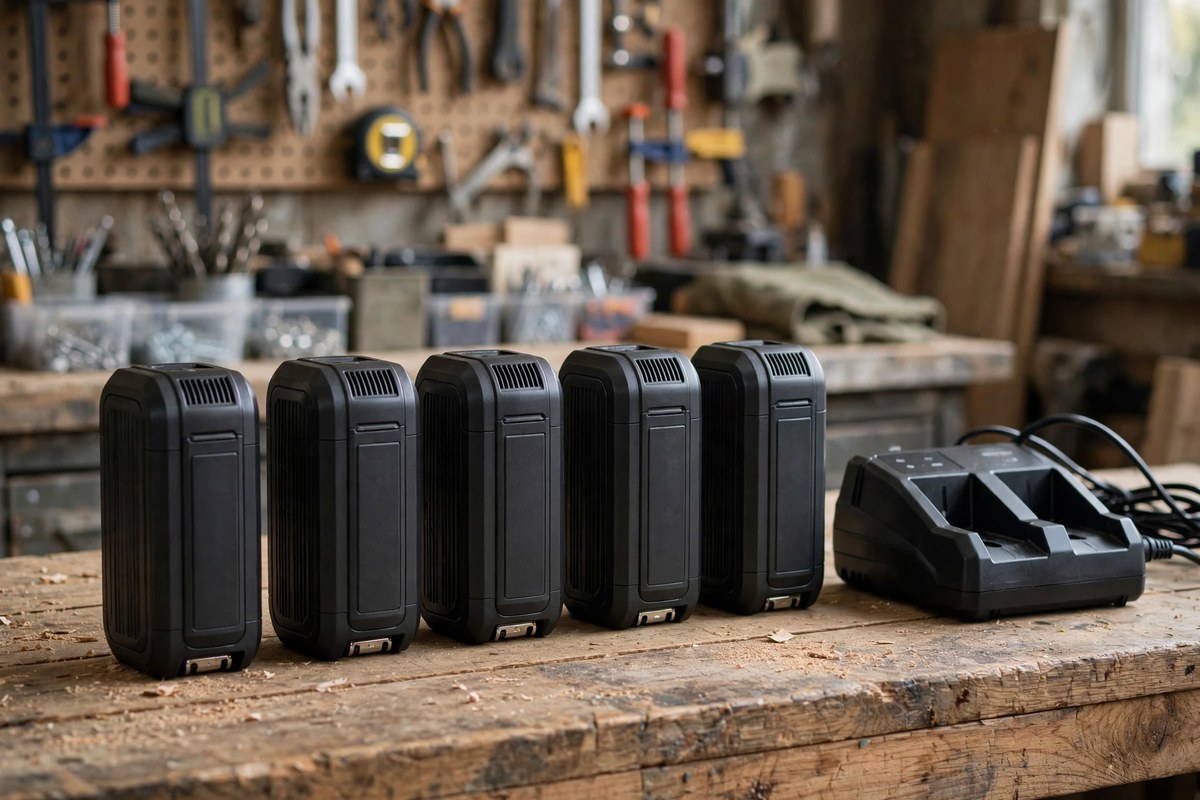
A cordless drill on its own is a $60–$150 purchase. A platform is a $500–$1,000 commitment spread over years. Once you own three batteries and a charger, every new tool from the same brand costs less — you buy the bare tool, skip the battery, and save $40–$80 each time.
That lock-in is the whole game — which is why starter kits are priced to pull you in. The drill in the box matters less than the 200+ tools behind it. Before you compare drills, compare the ecosystems: how many tools share the battery, how good the batteries are, and what the next five purchases will cost you.
DeWalt 20V MAX: The Safe All-Rounder
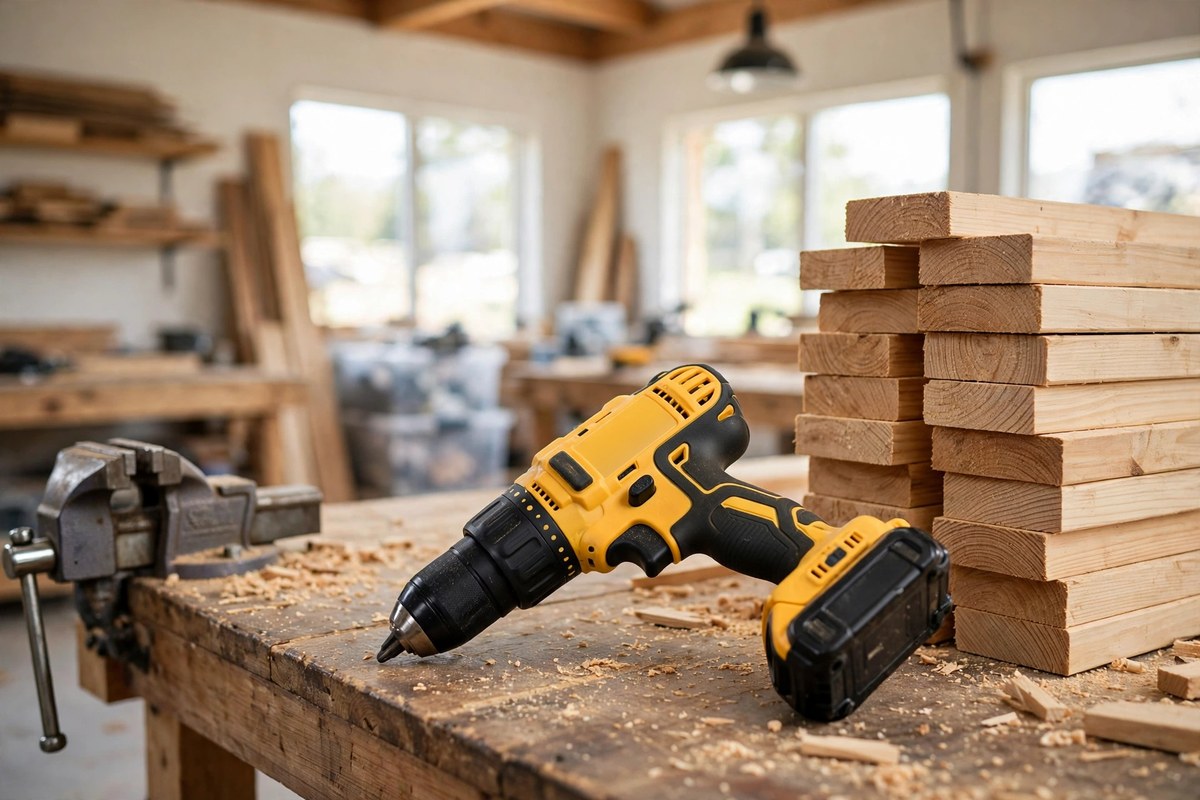
DeWalt’s 20V MAX line is the default choice for a reason. The range is enormous — drills, saws, sanders, nailers, lawn tools, lights, fans — most available as bare tools once you own batteries. Build quality is consistently solid, and the tools feel made for daily use rather than occasional weekends.
Power is strong across the line. The 20V MAX drills and impact drivers handle framing, deck screws, and masonry drilling with a hammer drill, and the FlexVolt batteries (which also run 60V tools) give the platform a high-end ceiling the other two can’t quite match. DeWalt is stocked everywhere, and its kits go on deep sale several times a year.
The weakness is price. DeWalt sits in the middle-to-upper price band, and its cheapest tools still cost more than Ryobi’s. The range also has a confusing edge: DeWalt’s 12V MAX and 20V MAX batteries don’t interchange, so a compact 12V drill means a second battery system.
Worth it if: you want one platform that does everything well and you buy tools regularly. Skip it if: your budget is tight and you’ll mostly do light home repairs — Ryobi covers that for less.
Milwaukee M18: The Pro’s Pick
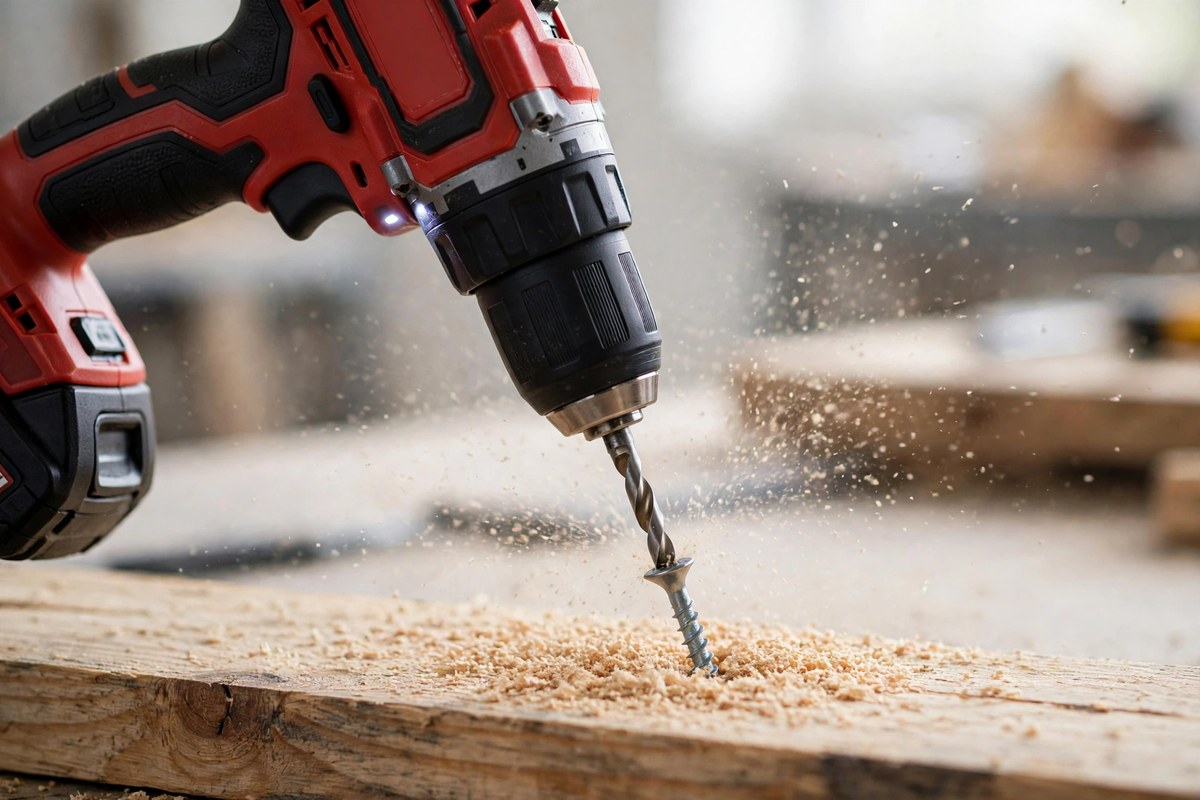
Milwaukee M18 is the platform tradespeople reach for, and it shows in the tools. The M18 Fuel line — Milwaukee’s brushless, high-output tier — delivers the most power per size in this comparison. The compact drills and impact drivers are genuinely small yet strong, which matters when you’re drilling inside cabinets or overhead all day.
Where Milwaukee really pulls ahead is depth in pro tools: plumbing, electrical, and automotive tools that the other brands barely attempt. If your DIY ambitions include a drain snake or a high-torque impact wrench, Milwaukee is the only one of the three with a serious answer.
The trade-off is cost: Milwaukee is typically the most expensive of the three, especially in Fuel trim. For a beginner who drills a few holes a month, that premium buys capability you’ll never use.
Worth it if: you work tools hard or want the best compact tools. Skip it if: you’re a casual DIYer — the premium is real and the extra power mostly sits unused.
Ryobi 18V ONE+: The Budget King
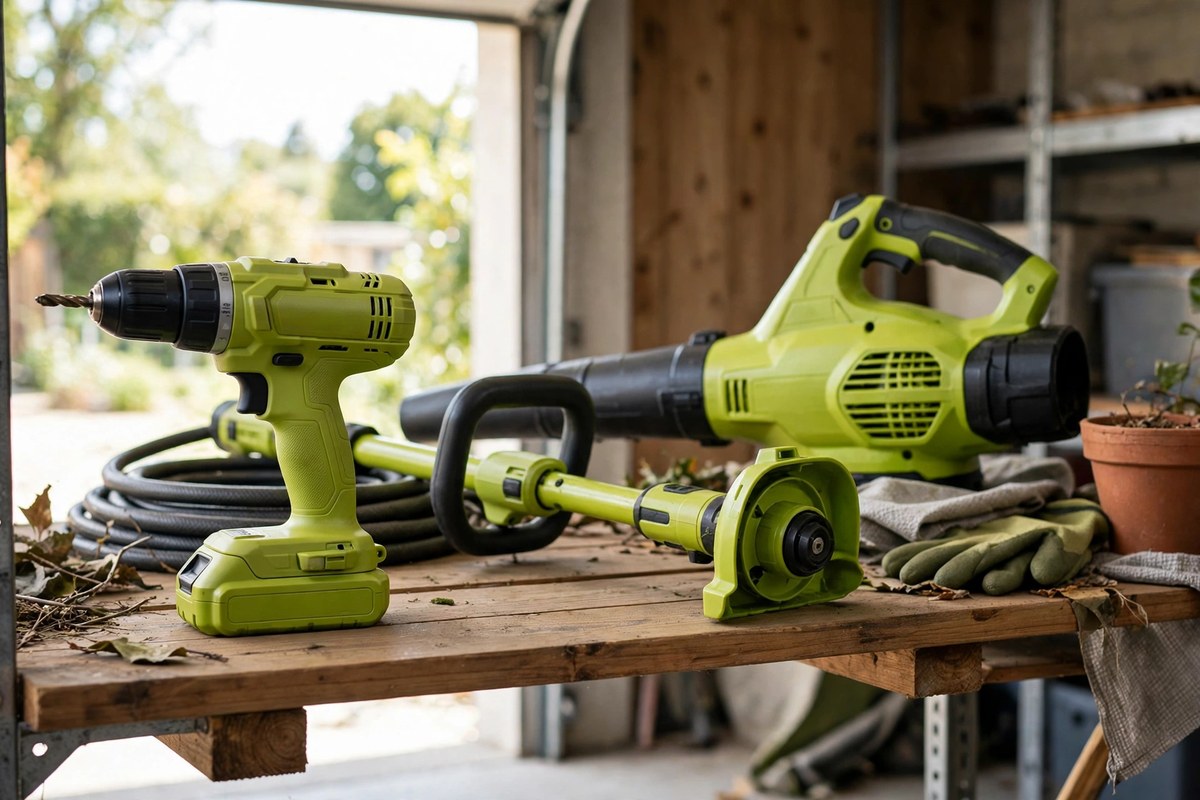
Ryobi’s pitch is simple: one battery, over 300 tools. No other platform in this comparison comes close on sheer range at this price. Drills, saws, sanders, garden tools, inflators, glue guns, fans, lights — if it can run on 18V, Ryobi probably makes a version of it. For a homeowner building a home-and-garden kit on one battery, that’s hard to beat.
The tools themselves are honest. The drills and drivers handle typical home jobs — furniture assembly, shelving, deck screws, drywall anchors — without complaint. The brushless HP models close much of the power gap with the premium brands, and the batteries are cheap enough that owning three or four is realistic.
The limits are real too. Ryobi tools are heavier and bulkier than Milwaukee’s compacts, the build feels more plastic, and for sustained heavy work — framing a deck, drilling dozens of masonry holes — they run hotter and slower than DeWalt or Milwaukee.
Worth it if: budget leads or you’re equipping a whole house and garden on one battery. Skip it if: you earn money with your tools or regularly push them to their limits.
Power and Performance Head-to-Head
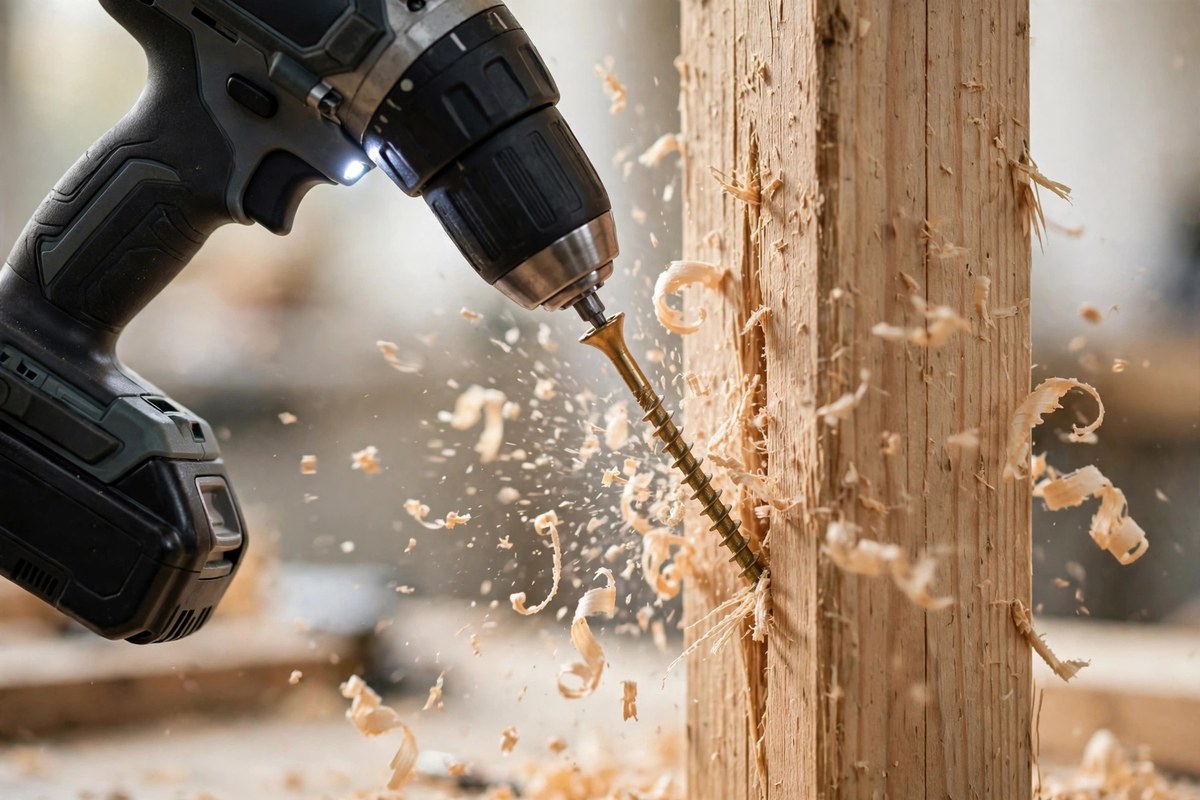
On paper, all three drill drivers will sink a 3-inch screw into a stud without drama. The differences show up at the edges: long lag bolts, masonry, or working all afternoon without a break.
Milwaukee’s Fuel tools lead on raw output and sustained power, especially in compact sizes. DeWalt is a close second and matches Milwaukee on most full-size tools. Ryobi trails on peak power, though its brushless HP tools are close enough for typical DIY that most homeowners won’t feel the gap. If you already own a drill and are choosing a platform for your next tools, read our beginner cordless drill guide first — the buying logic there applies to every tool in the platform. If you’re weighing a saw as your next buy, our corded vs cordless circular saw comparison will help you decide the power source before you pick the brand.
Verdict: Milwaukee for maximum power, DeWalt a hair behind, Ryobi good enough for home use and noticeably cheaper.
Tool Range: Who Has What You’ll Actually Buy
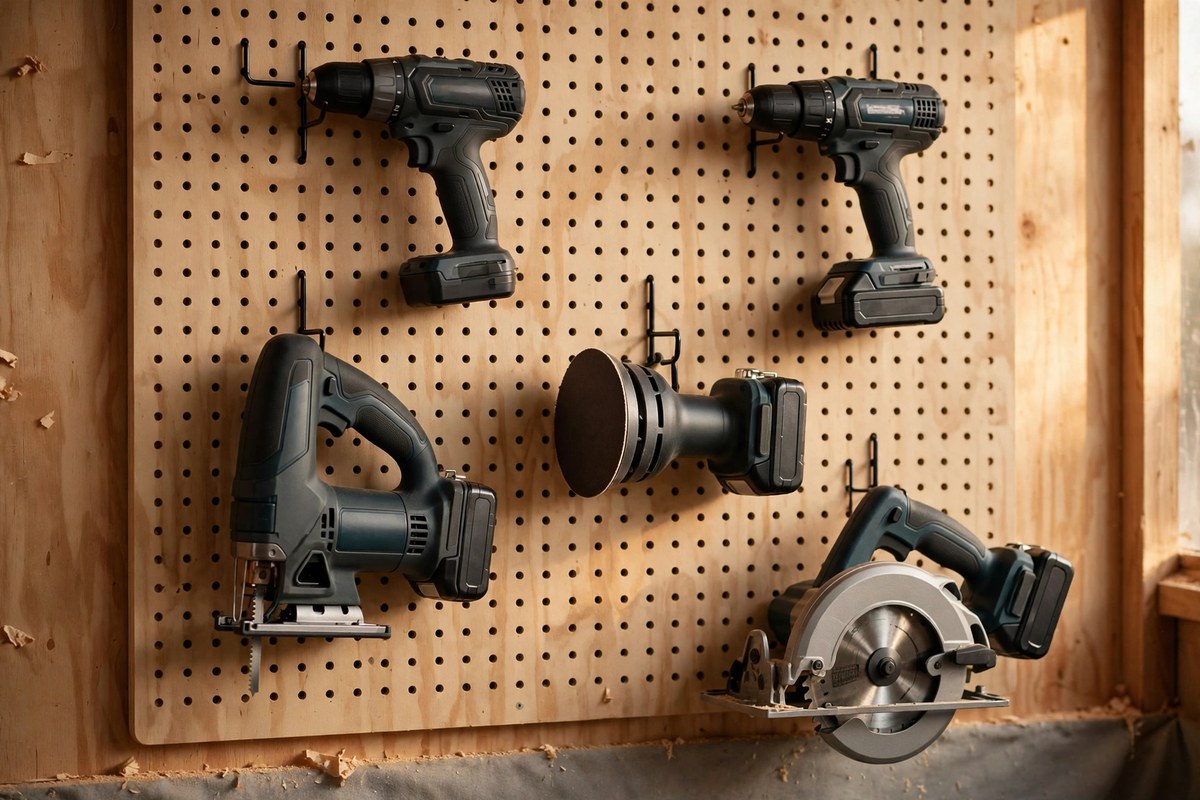
Range is where the platforms separate. Ryobi wins on count — 300+ tools on one 18V battery, including garden and home gadgets the others don’t make. DeWalt wins on breadth of serious tools: the deepest bench of saws, nailers, and outdoor equipment in the mid-price tier. Milwaukee wins on trade depth: the pro tools nobody else in this trio offers.
Think about your second, third, and fourth purchases, not your first. A drill owner typically adds a circular saw, an impact driver, and a sander within a year or two. After that, the paths diverge: garden tools point to Ryobi, job-site tools point to DeWalt, trade tools point to Milwaukee.
Batteries and Charging
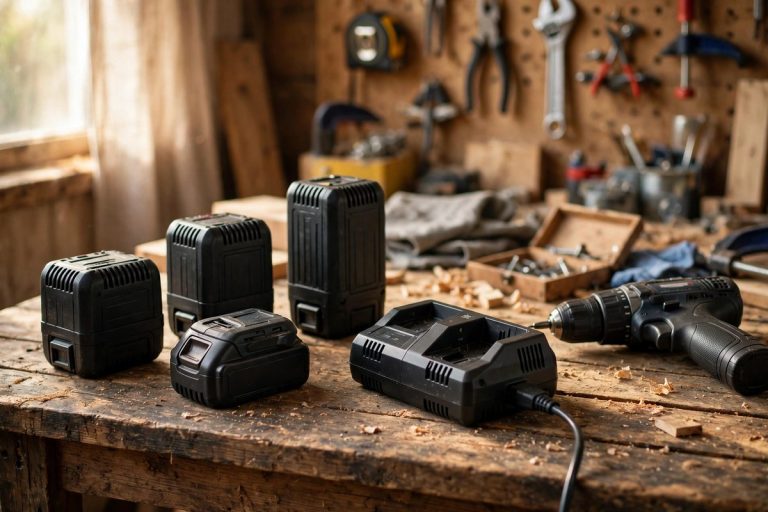
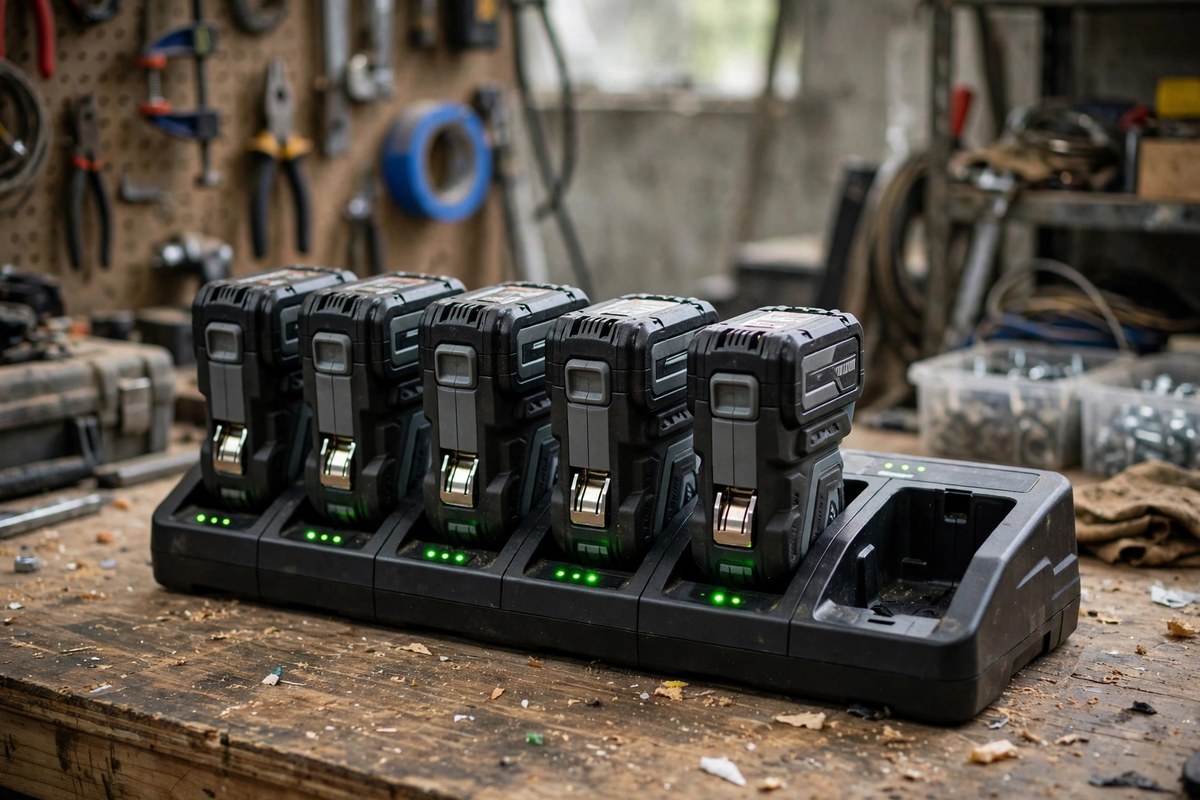
Batteries are the hidden cost of any platform, and the three brands price them very differently. A spare 5.0Ah battery typically runs $79–$129 for DeWalt, $89–$149 for Milwaukee, and $49–$89 for Ryobi — and Ryobi batteries go on sale far more often. Over five years and three batteries, that gap is a few hundred dollars.
Price and Value: What a Starter Kit Really Costs
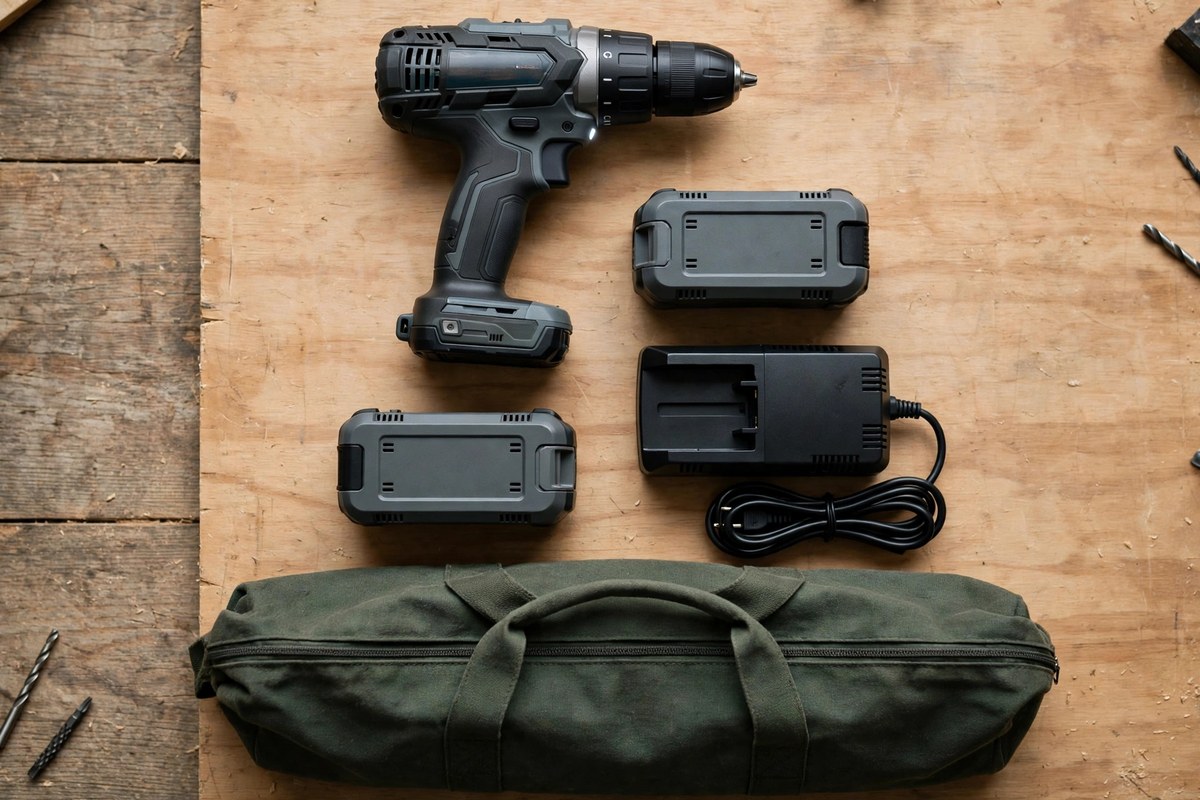
Starter-kit prices (drill/driver, two batteries, charger, bag) tell the story in one number. A Ryobi 18V HP kit typically runs $99–$149. A comparable DeWalt 20V MAX kit typically runs $149–$199. A Milwaukee M18 Fuel kit typically runs $199–$279. Sale prices move all three down by $30–$70.
But the kit is only the entry fee. On bare-tool prices, Ryobi is usually cheapest by $20–$50 per tool, DeWalt sits in the middle, and Milwaukee is highest. Over a five-tool collection, Ryobi can save $150–$250 against Milwaukee. One rule applies to all three: buy the kit with two batteries. A single-battery kit saves money on day one and costs you a stalled project on day thirty.
Which Platform Should You Choose?
DeWalt 20V MAX if you want the safest all-round platform and don’t mind paying the middle price. It does everything well and it’s on sale often. Milwaukee M18 if you push tools hard, value compact size with real power, or your work leans toward the trades — the most expensive, and for heavy users worth it. Ryobi 18V ONE+ if budget leads, you’re equipping a home and garden, or you want the widest range of tools on one cheap battery.
One last rule: don’t split platforms unless you have a specific reason. One battery system, one charger, every tool sharing power — that simplicity is worth more than any single tool’s spec sheet.
The Bottom Line
DeWalt is the balanced pick, Milwaukee is the powerful pick, and Ryobi is the value pick. Match the platform to the work you’ll actually do, buy the two-battery kit, and let the ecosystem — not the drill in the box — make the decision.