7 Best Jigsaws for DIY Projects
The Short Answer
A good first jigsaw does not need to be expensive. For most DIYers, a corded top-handle jigsaw with variable speed, orbital action, and tool-free blade changes covers nearly every job — curved cuts in plywood, trimming laminate, cutting sink openings in countertops — for roughly $50–$150. Cordless models earn their keep only if you already own batteries on that platform. Below are seven picks that cover every budget, each with an honest worth-it / skip-it verdict.
How to Pick a Jigsaw (5 Things That Actually Matter)
1. Orbital action. The blade moves slightly forward as it cuts, which speeds up straight cuts in wood. Four settings are ideal; turn it off for clean, slow cuts in laminate or metal.
2. Variable speed. A dial or trigger-controlled speed lets you slow down for metal and plastic and speed up for softwood. A single-speed jigsaw is a false economy.
3. Tool-free blade change. You will swap blades often — wood, metal, laminate. A lever beats an Allen key every time.
4. Bevel base. A base that tilts to 45 degrees handles angled cuts without a second tool. Check that it locks firmly and returns to square easily.
5. Corded vs. cordless. Corded saws cost less and never run out of power mid-cut. Cordless saws go anywhere but add $100+ once you count batteries. If you already own a battery platform, cordless is the easy call; if not, start corded.
If you are building your first kit from scratch, our 5 power tools every beginner DIYer needs first guide shows where a jigsaw fits alongside the drill and circular saw.
1. Bosch JS470E — Best Overall
Typical price: $129–$159 (corded, 7.0 amp). The JS470E is the jigsaw other jigsaws get compared to. Its four-setting orbital action, variable-speed dial, and tool-free blade change are all best-in-class, and the low-vibration design keeps long cuts steady. The blade-ejection lever means you never touch a hot blade.
Worth it if: you want one jigsaw that handles everything from furniture curves to countertop cutouts and lasts for years. Skip it if: your budget is under $75 — the picks below cut nearly as well for half the price.
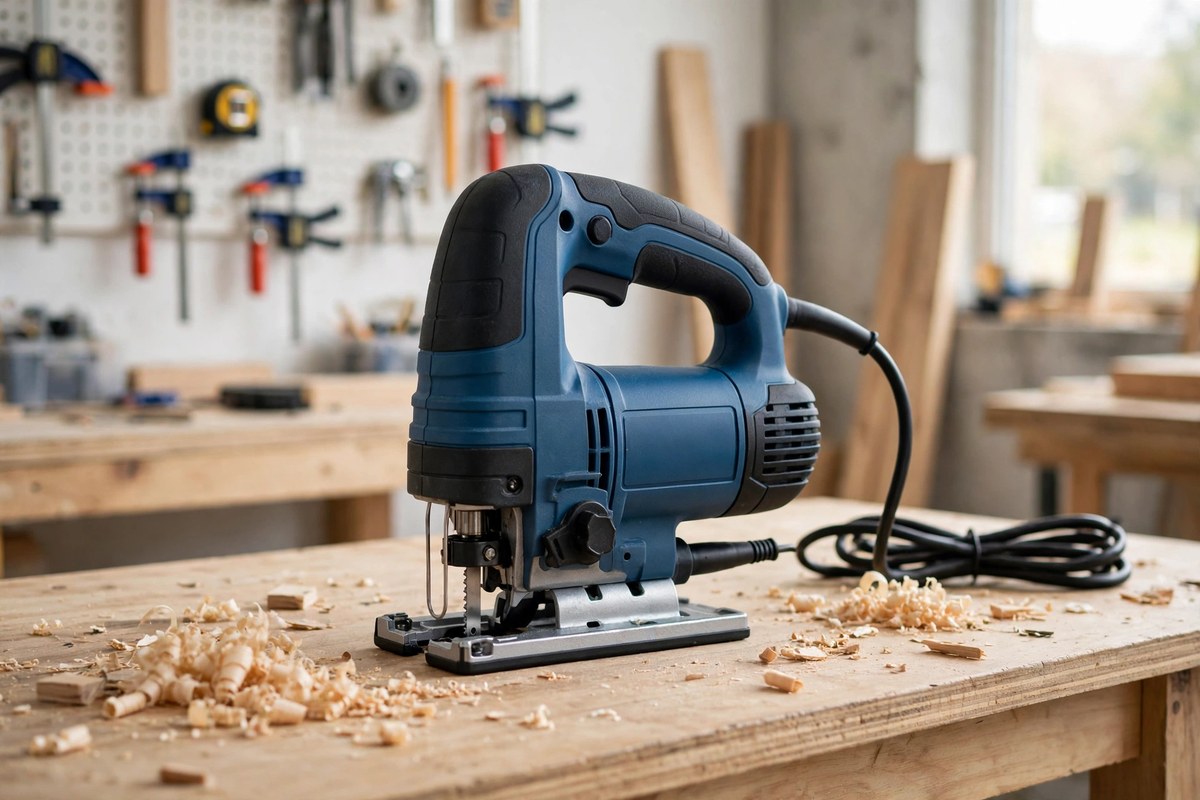
2. DeWalt DW331K — Best for Precise, Clean Cuts
Typical price: $149–$179 (corded, 6.5 amp, kit with case). The DW331K is built for accuracy: an all-metal keyless blade clamp, a variable-speed dial with four orbital settings, and a dust blower that keeps the cut line visible. It is the saw to buy when your cuts will be seen — trim work, visible curves, fitted shelving.
Worth it if: clean edges matter more than raw speed to you. Skip it if: you mostly cut rough framing or demolition material, where a cheaper saw does the same job.
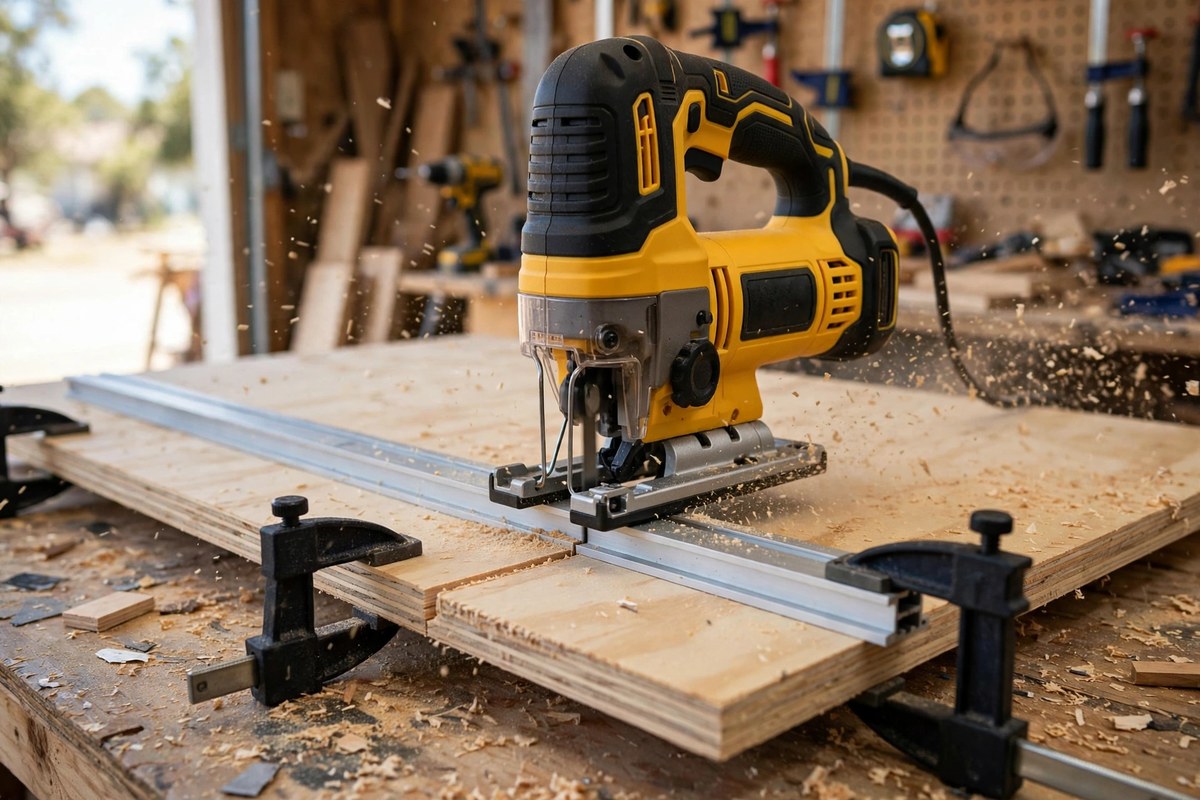
3. Makita XVJ03Z 18V LXT — Best Cordless
Typical price: $149–$179 (bare tool; batteries sold separately). Makita’s 18V brushless jigsaw cuts like a corded saw, with three orbital settings, a variable-speed dial, and a bright LED work light. On an 18V platform it is genuinely hard to tell from the corded version in wood up to 2 inches thick.
Worth it if: you already own Makita 18V batteries and want to cut outdoors or away from an outlet. Skip it if: you own no Makita batteries — the bare-tool price plus a battery and charger pushes the real cost past $250.
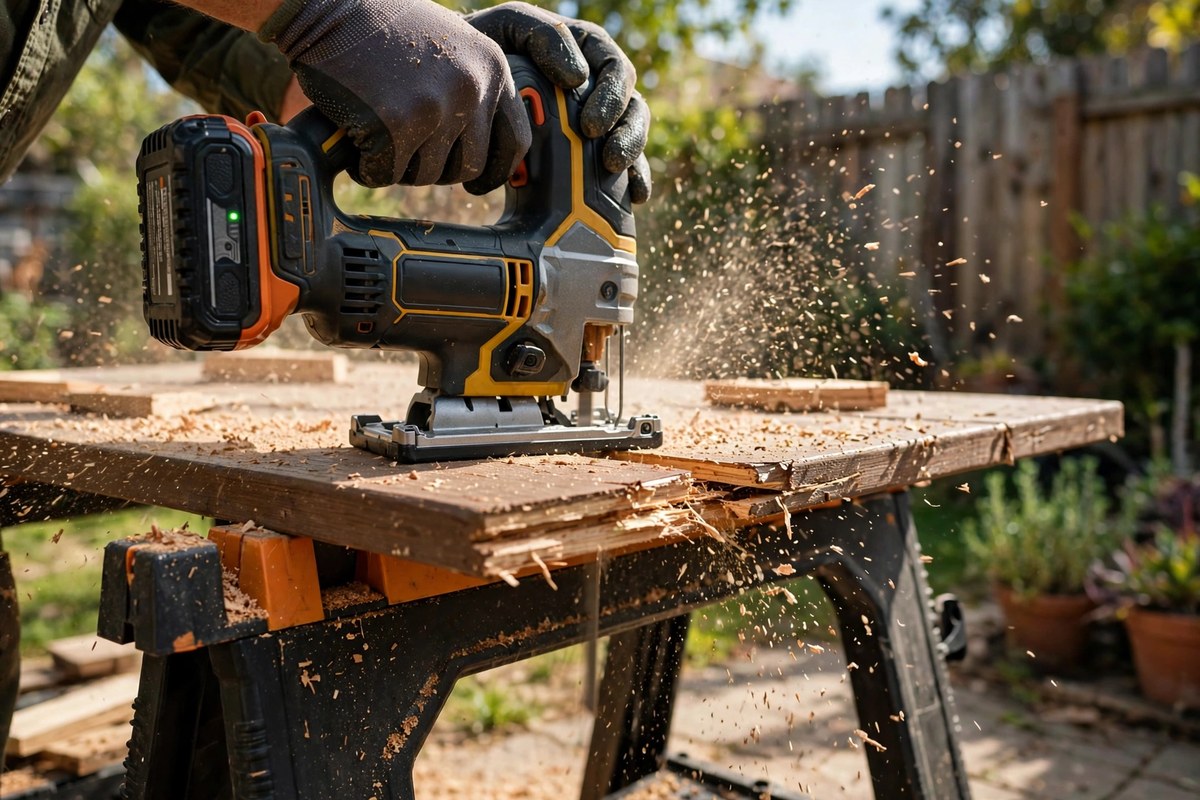
4. Ryobi P5231 ONE+ 18V — Best Budget Cordless
Typical price: $79–$99 (bare tool); around $129 as a kit with battery. The Ryobi ONE+ jigsaw is the cheapest sensible way into a cordless saw. It has four orbital settings, variable speed, and a tool-free blade clamp — specs that cost twice as much from other brands. It is not as smooth as the Makita or Bosch, and it bogs down in thick hardwood, but for plywood, pine, and laminate it is more than enough.
Worth it if: you own Ryobi ONE+ batteries and want a capable second saw for quick cuts. Skip it if: you cut thick hardwood or metal regularly — step up to the Bosch or Makita.
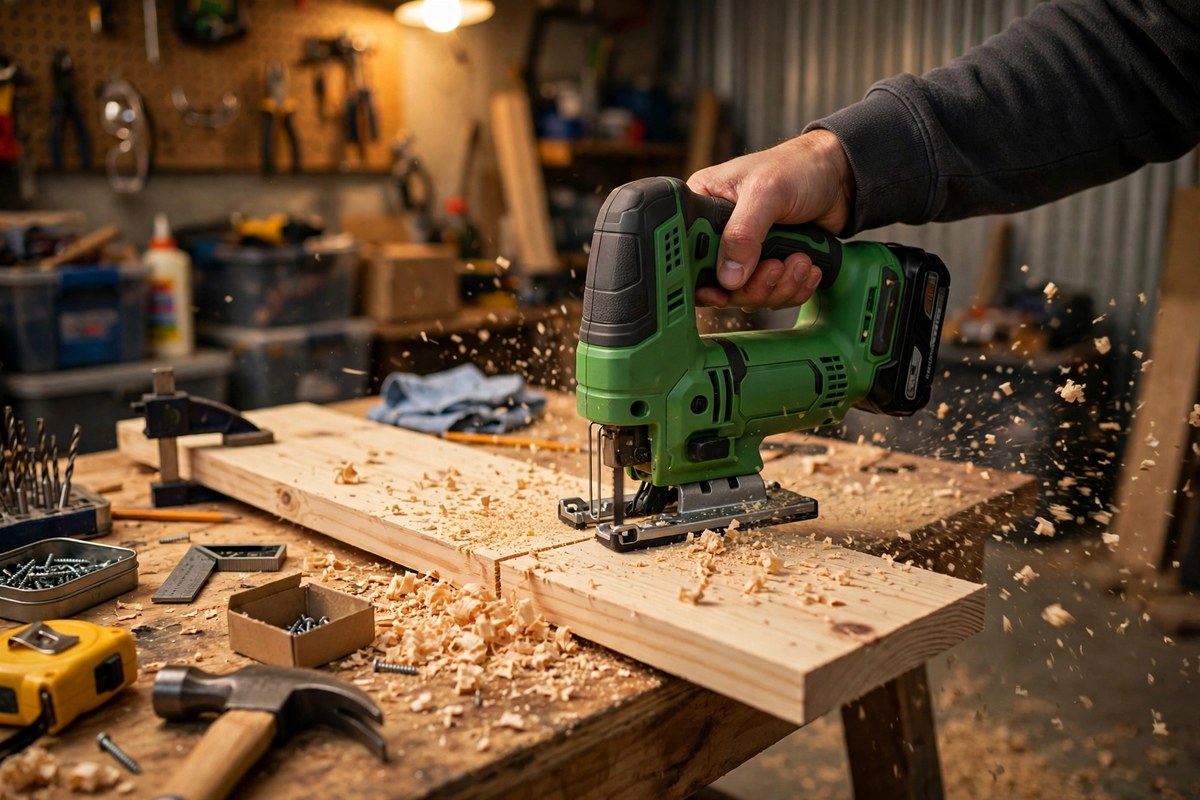
5. Black+Decker BDEJS600C — Best Under $50
Typical price: $39–$49 (corded, 5.0 amp). The cheapest jigsaw worth buying. It has variable speed, a 45-degree bevel base, and a built-in dust blower — the basics done right. It vibrates more than the premium picks and the blade changes take a little longer, but it cuts clean curves in plywood and pine without complaint.
Worth it if: you need a jigsaw for one project or occasional use and want the lowest sensible spend. Skip it if: you will use it weekly — the vibration and slower blade changes get old fast.
6. Milwaukee M18 Fuel 2719-20 — Best Pro Cordless
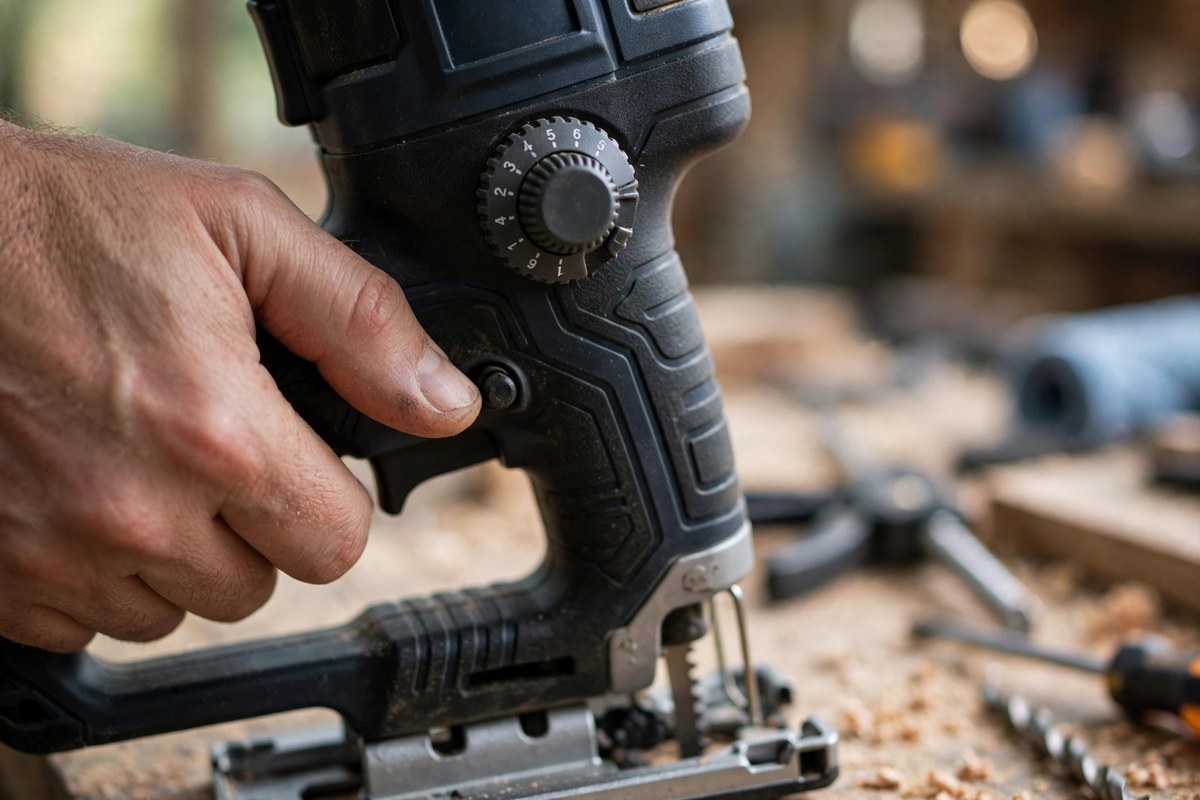
Typical price: $179–$219 (bare tool). Milwaukee’s brushless M18 Fuel jigsaw is the most powerful cordless option here, with a fast cutting speed, minimal vibration, and an LED light that actually helps. It chews through thick hardwood and layered plywood where budget cordless saws stall.
Worth it if: you already run Milwaukee M18 tools and want pro-level cordless cutting. Skip it if: you are a casual DIYer — the price only makes sense inside the M18 system.
7. Wen 33606 — Best Value Barrel-Grip
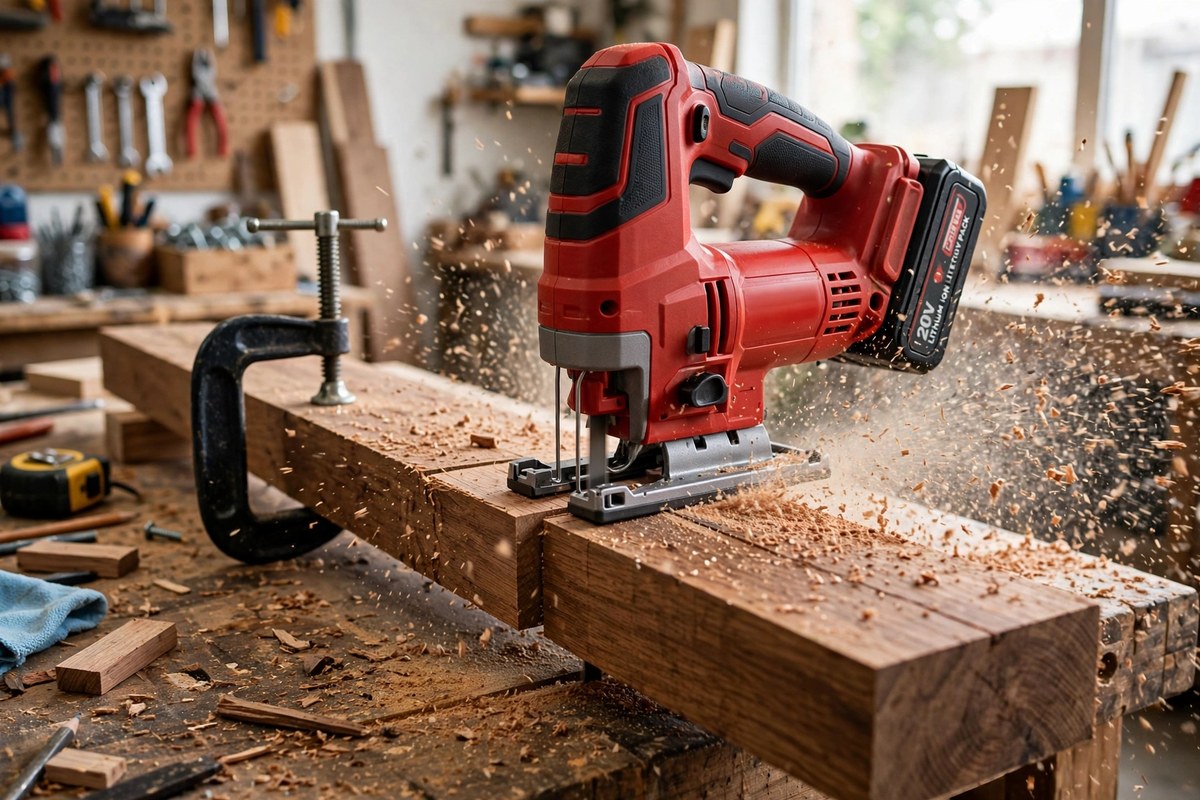
Typical price: $39–$59 (corded, 6.6 amp). The Wen 33606 is a barrel-grip jigsaw, which means you hold the body low and close to the work instead of gripping a top handle. Many woodworkers prefer it for tight curves because the lower grip gives finer control. It has variable speed, four orbital settings, and a laser guide — an unusual feature at this price.
Worth it if: you cut a lot of curves and want barrel-grip control on a small budget. Skip it if: you prefer a standard top handle, or you want a saw with a long track record of spare parts.
Blades Matter More Than the Saw
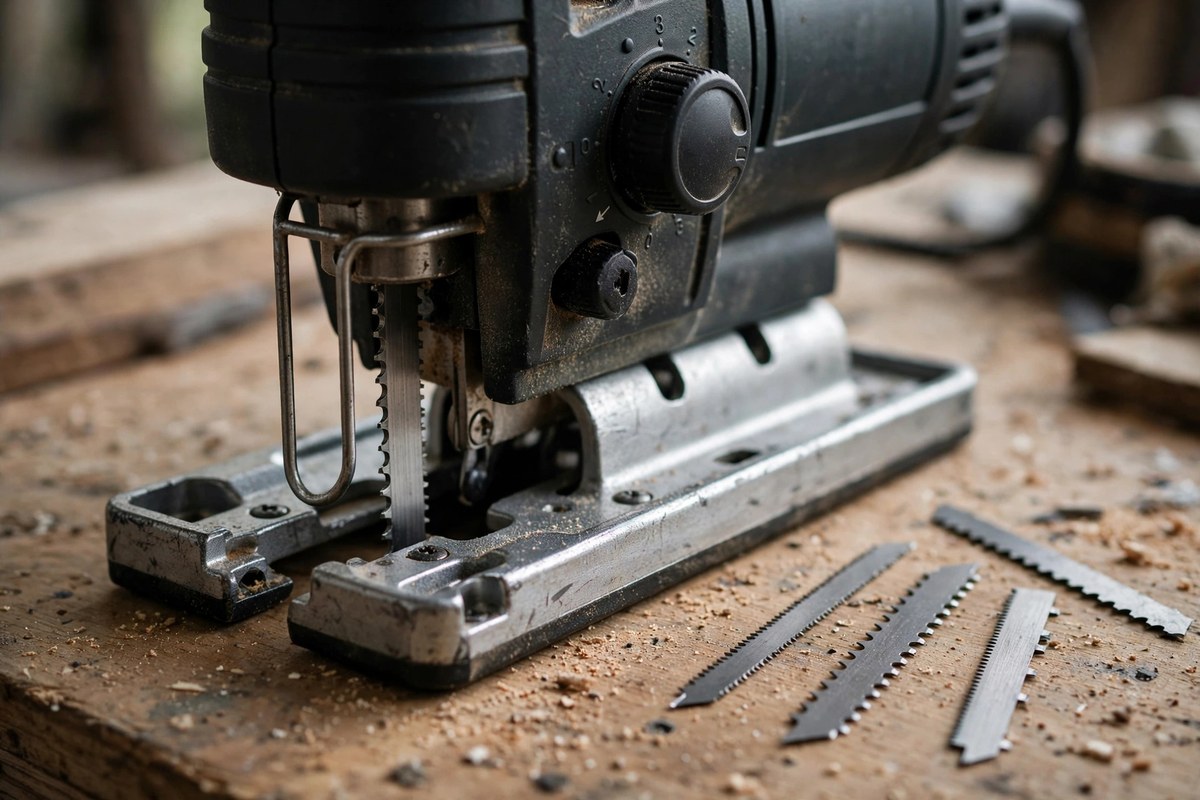
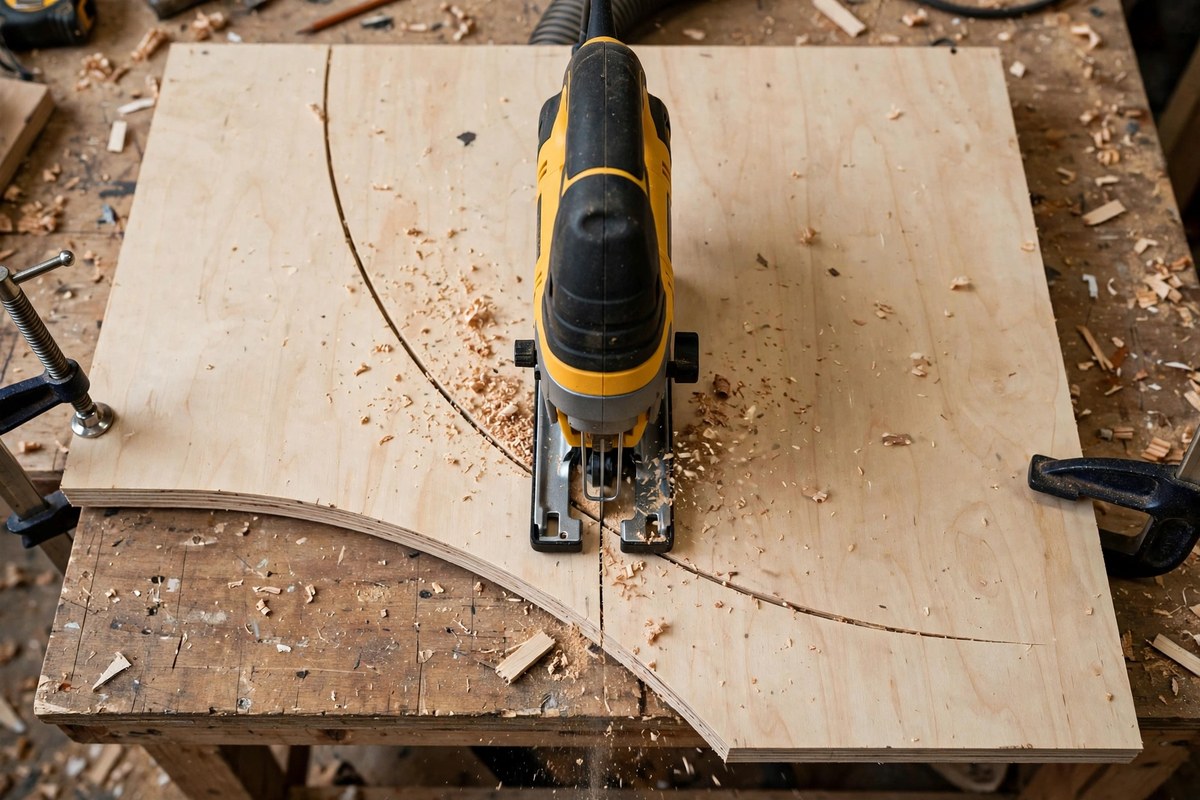
A $40 jigsaw with the right blade out-cuts a $150 jigsaw with the wrong one. Keep three types on hand: a 10–12 TPI wood blade for fast cuts, a 20+ TPI clean-cut blade for visible edges and laminate, and a metal-cutting blade for screws, nails, and thin steel. Buy blades in multi-packs — they are consumables, and a dull blade is the most common reason a jigsaw “doesn’t cut straight.”
Cutting Tips That Save Every Project
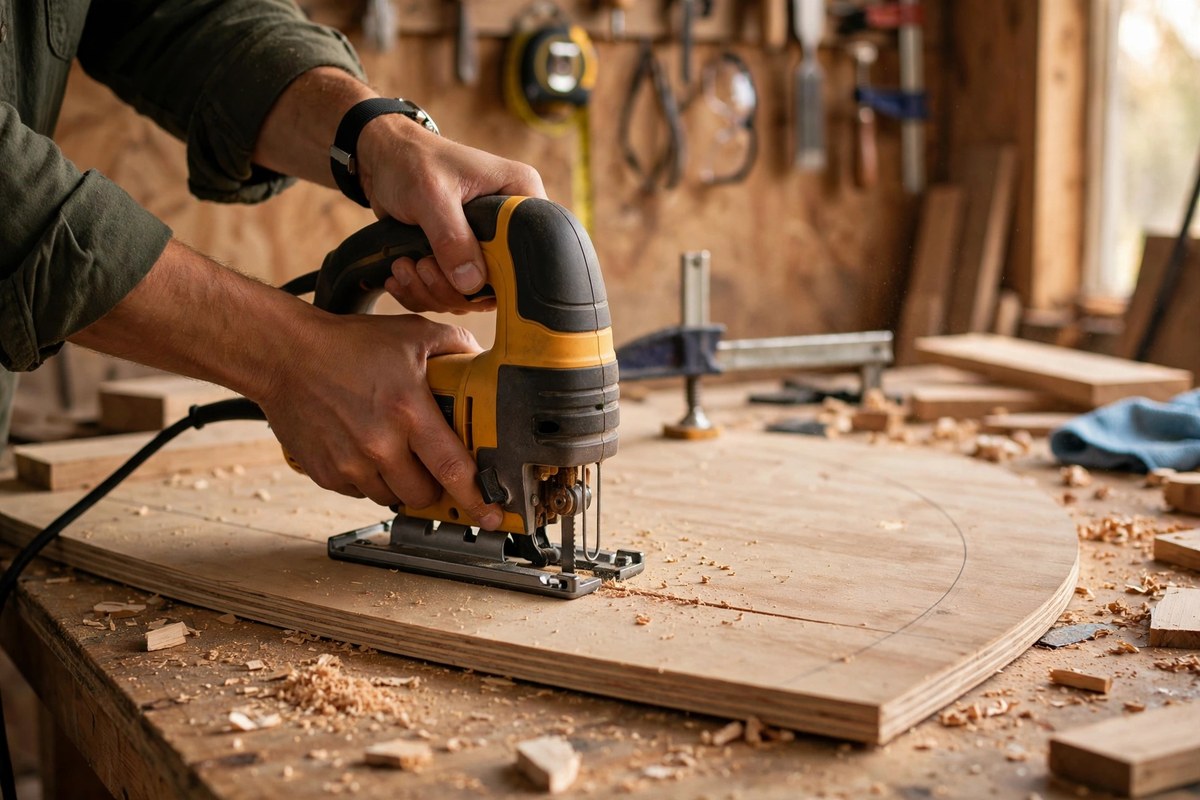
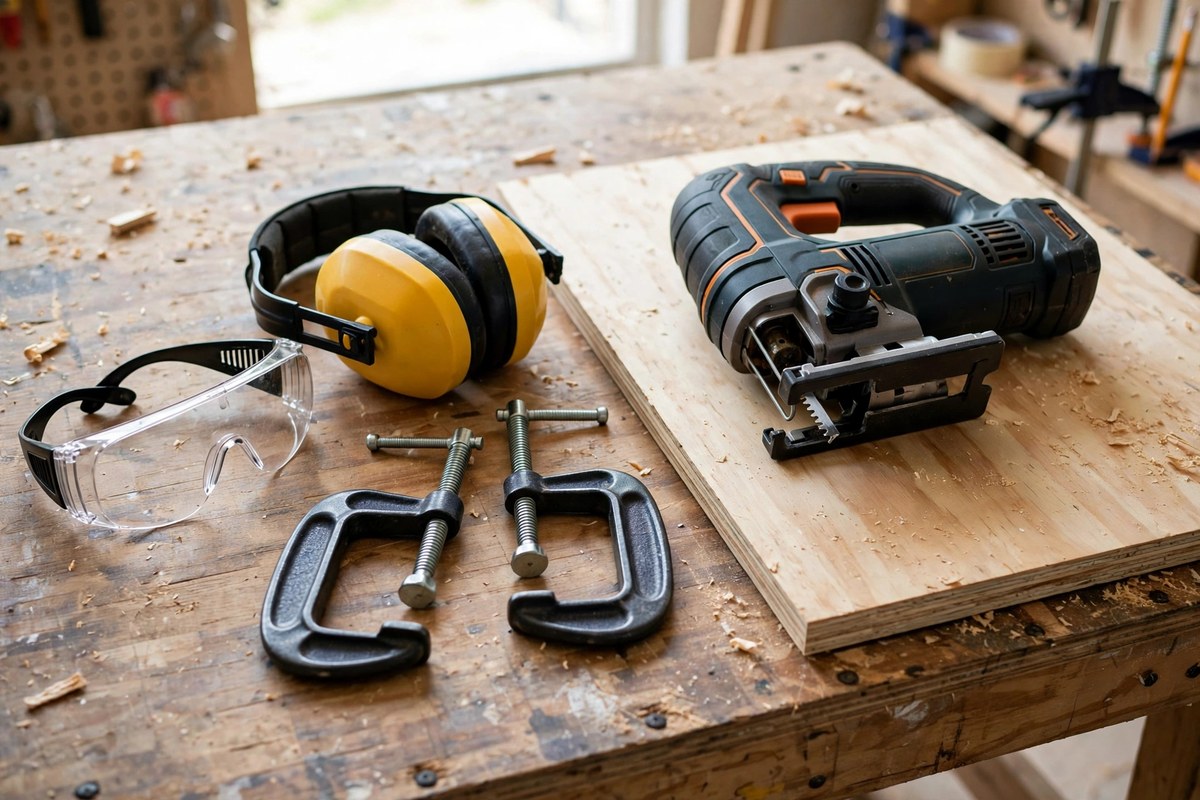
Clamp your workpiece — a jigsaw pushes back, and a board that shifts mid-cut ruins the line. Let the blade reach full speed before it touches the wood, and let the saw do the work: pushing hard bends the blade and wanders the cut. For curves, use a narrow blade and turn the saw, not the board. And always cut with the good face down on most jigsaws, since the blade cuts on the upstroke and can splinter the top face — or use a splinter guard and a clean-cut blade when the good face must stay up.
The Verdict
Buy the Bosch JS470E if you want the best all-round jigsaw and never want to think about it again. Buy the Black+Decker BDEJS600C if the budget is tight and the saw will see occasional use. Buy the Makita XVJ03Z or Milwaukee M18 Fuel only if you already own those batteries — otherwise the corded picks give you more saw for the money. Whichever you choose, spend the money you save on good blades and a pair of clamps: that is what makes the cuts clean.